Wedding Information That Everyone Should Know About
Weddings are meant to be remembered for warmth, laughter, and the people who gathered to celebrate—not for the stress of last-minute decisions. Thoughtful planning helps you stay present on the day itself, and the most effective approach is to make a few clear choices early: decide what matters most to you as a couple, set realistic limits, and let those priorities guide the rest.
Set Priorities Early to Reduce Stress
Before making vendor appointments or design decisions, clarify what you value most—photography, food, guest experience, music, venue, or something else. When priorities are established early, budget decisions become more logical, compromises feel more intentional, and planning tends to stay calmer. This mindset also supports better communication with family members and vendors, since you can explain choices in terms of your overall plan rather than reacting to individual opinions.
Bar Planning: Hospitality Within a Realistic Budget
Plan the bar with your budget and guests in mind. You cannot realistically serve everyone’s favorite top-shelf drink without quickly overspending. Instead, choose an approach that reflects your preferences and keeps costs controlled. An open bar is often the most expensive option, but it is not the only way to be a gracious host. Consider alternatives such as:
- Beer and wine only (simple, widely appreciated, typically lower cost).
- Limited spirits (for example, vodka, gin, and whiskey with standard mixers).
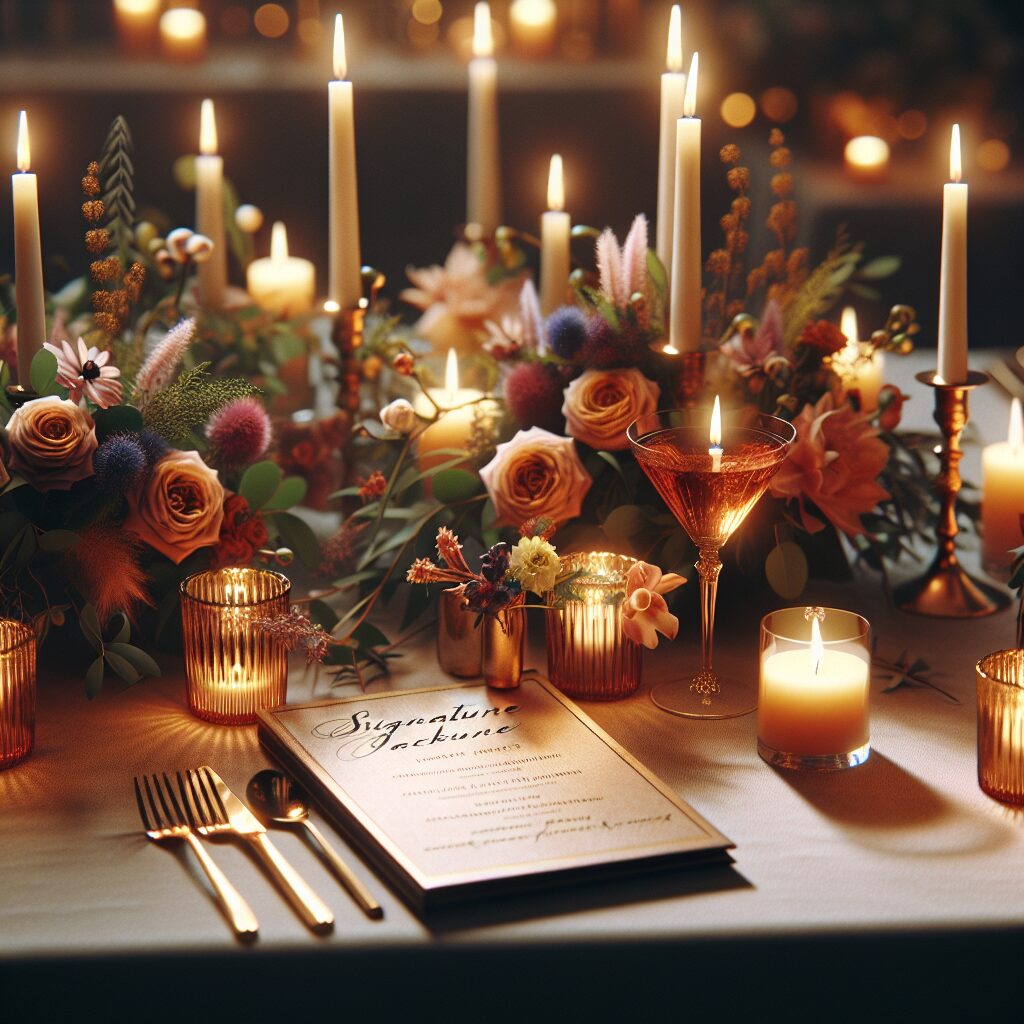
- A signature cocktail or two that fits your theme and reduces inventory.
- Hosted bar for a set time (e.g., during cocktail hour) and then a cash bar.
- Drink tickets (guests receive a set number, with the option to purchase more).
Ask the venue about their alcohol service options, pricing structure, and policies. Request clarity on what is included (bartenders, glassware, mixers, garnishes, service fees, and gratuity) and confirm whether there are corkage fees or restrictions on bringing outside alcohol. Also plan for non-alcoholic choices—infused water, sparkling water, iced tea, and coffee can elevate hospitality and support guests who do not drink.
Photography: A Long-Term Investment in Memory
Choose a photographer as a long-term investment. Your wedding photographs may become some of the most meaningful images you ever own, serving as an enduring record of family, friends, and moments you will not fully notice during the day. Hire the best professional you can afford, and evaluate more than a highlight gallery. Ask to view at least one full wedding album to see consistency in different lighting conditions and the ability to capture candid moments as well as formal portraits. Confirm what is included in the package (hours of coverage, second photographer, engagement session, number of edited images, album, print rights, and turnaround time).
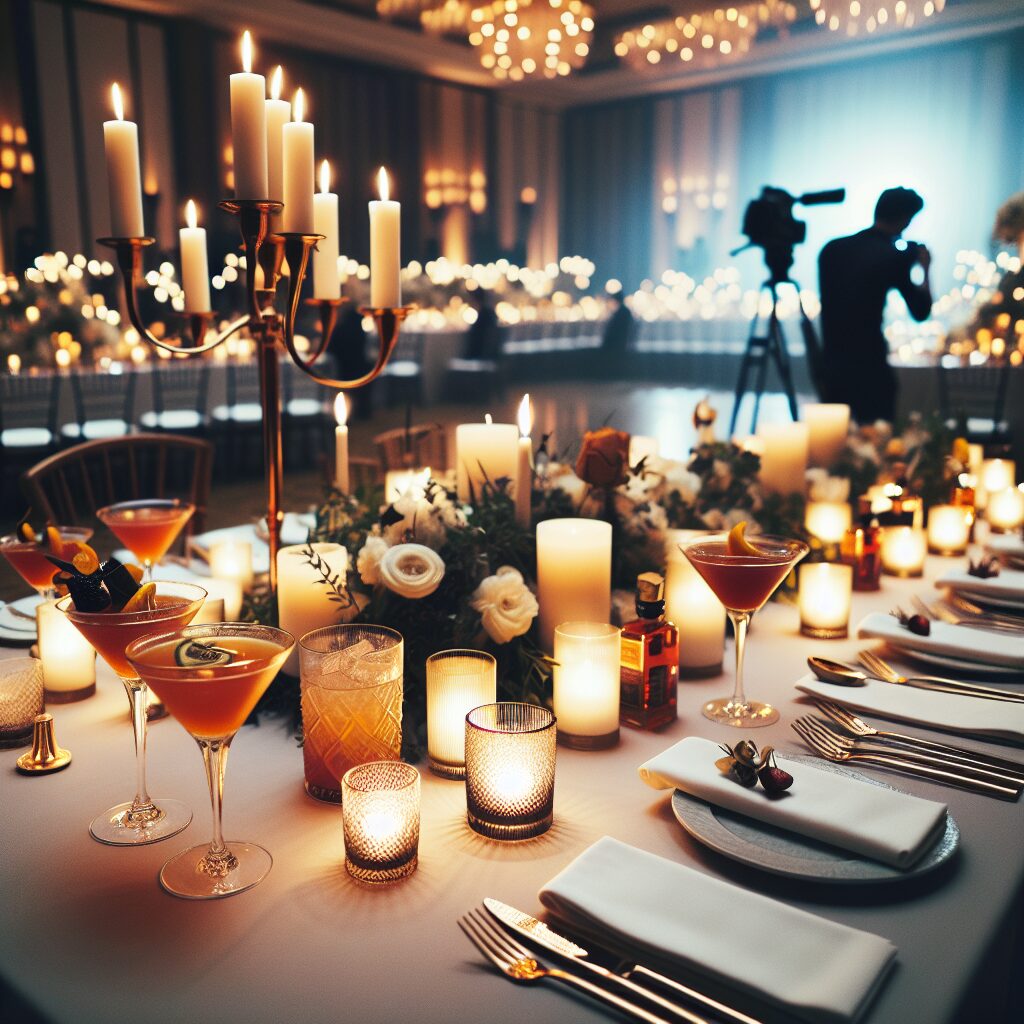
It is also wise to discuss practical details in advance: the timeline for portraits, a list of must-have family groupings, any cultural or religious moments that must be documented, and a backup plan for weather. If possible, ensure your contract addresses contingencies such as equipment failure, illness, and the photographer’s replacement policy. Guidance from professional organizations can help you understand common standards and questions to ask, such as those outlined by the Professional Photographers of America.
Health, Comfort, and Clothing: Preparing to Feel Your Best
Do not compromise your health to fit a dress. Avoid extreme dieting or rapid weight loss in the weeks leading up to your wedding. Restricting food or fluids can leave you dehydrated, lightheaded, and fatigued—conditions that may worsen under warm lights, tight clothing, and the natural nerves of the ceremony. If you want to feel more energized, focus on sustainable habits: regular meals, adequate hydration, moderate exercise, and consistent sleep.
Choose a dress that fits your body as it is, and use professional alterations to refine the fit rather than trying to force your body into a specific size. Schedule fittings with enough time for adjustments, and plan your final fitting close to the wedding date. On the day itself, eat a balanced breakfast and keep easy-to-manage snacks available (such as fruit, yogurt, nuts, or sandwiches), especially if you have a long gap between getting ready and dinner. A comfortable, well-fitted dress—and a well-nourished, hydrated you—will help you stand confidently and enjoy every moment.
Makeup Artist
Selecting the right makeup artist requires more than choosing a familiar name or a convenient price. Review the artist’s credentials, training, and portfolio, and look for consistent results across different skin tones and lighting conditions. Consider whether their work aligns with your preferred aesthetic—natural, classic, glamorous, or editorial—and confirm they have experience with long-wear, photo-ready makeup that performs well under flash photography. It can help to review consumer guidance on hygienic practices and product safety from sources such as the U.S. Food & Drug Administration.
Schedule a trial appointment well in advance. During the trial, wear a top in a similar color to your wedding attire, take photos in both natural and indoor lighting, and note how the makeup wears over several hours. Discuss skin preparation, the preferred finish (matte or dewy), and whether airbrush or traditional application is best for your skin type. If you have sensitivities, ask for a patch test and request a list of products used so potential irritants can be avoided. Clarify logistics as well: arrival time, touch-up options, travel fees, and whether the artist will also handle attendants or recommend an additional artist for a larger group.
- Bring references: Share inspiration photos, but also explain what you do and do not like (for example, “defined eyes without heavy liner” or “soft blush that does not read orange”).
- Coordinate with photography: Ask whether your photographer plans to use flash and share that information with your makeup artist to prevent unwanted shine or flashback.
- Plan for longevity: Consider a small touch-up kit (blotting papers, lipstick or gloss, and a mini setting powder) for quick fixes between the ceremony and reception.
Style, Décor, and Food: Elegant Choices That Remain Practical
Budget decisions in one area can free up funds for another. If a large, multi-tiered cake does not appeal to you, consider ordering individual portions—mini-cakes, tarts, or assorted pastries—from a reputable bakery. This approach can reduce cost, simplify serving, and accommodate dietary preferences such as gluten-free or vegan selections. Many couples also choose a small ceremonial cake for cutting and provide guests with plated desserts for consistency and ease.
Table décor should be attractive without interfering with comfort. Avoid tall or overly dense floral arrangements that block conversation or crowd place settings, and remember that strong floral scents can be unpleasant or trigger allergies for some guests. Low-profile centerpieces, greenery, and scent-free candles can create an elegant look while keeping the dining experience practical. If you use candles, confirm venue rules and consider enclosed holders for safety.
Rehearsal, Aisle-Walking, and Toasts: Preventing Avoidable Disruptions
TIP! Practice walking down the aisle several days before the wedding. If possible, rehearse at the ceremony venue so you can test your shoes on the actual flooring, confirm the length and movement of your outfit, and identify any areas where you may need to slow down or adjust your posture.
If you are curious about how you will appear walking down the aisle, rehearse with a full-length mirror and practice at a realistic pace. This is especially important if you plan to wear high heels or a long hemline. If you feel unstable, choose elegant flats, a lower heel, or supportive heel grips. The most flattering look is confident movement—steady, relaxed, and safe.
TIP! Review speeches and toasts before the wedding whenever possible. A reception often includes multiple generations and varied sensibilities, and remarks that seem humorous to one group may feel inappropriate to another. Setting expectations in advance—length, tone, and topics to avoid—helps keep the focus on celebration and ensures guests remain comfortable.
Thoughtful planning and small practical choices contribute significantly to a smooth, enjoyable wedding day. This occasion marks a meaningful commitment, and attention to detail—comfort, inclusivity, and clear communication—helps create a celebration that feels refined and memorable for both the couple and their guests.