Legal Requirements for Starting a Small Business
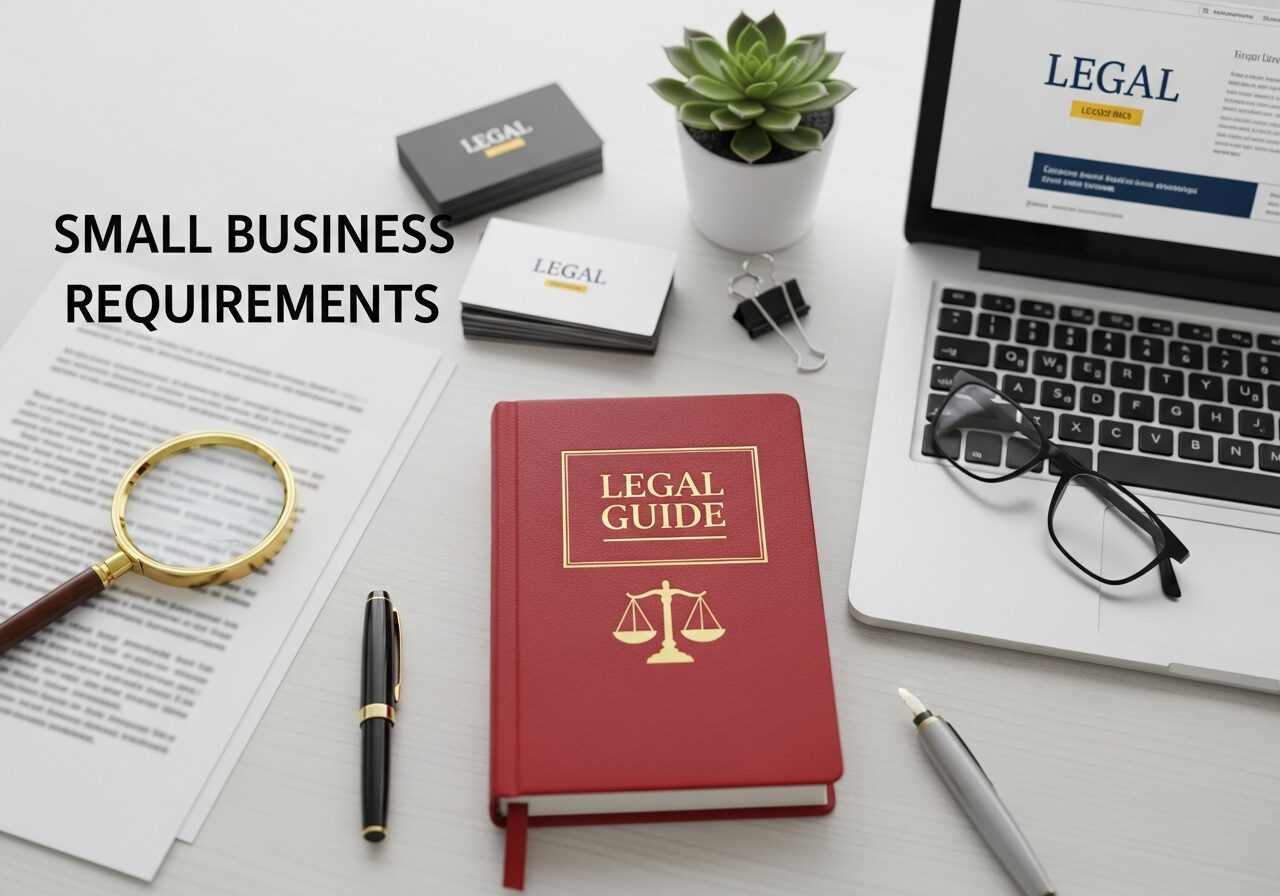
Small Business Legal Requirements
Starting a small business is an exciting venture, but navigating the legal landscape can be daunting. Understanding and adhering to the legal requirements for starting ensures your business operates smoothly and avoids potential pitfalls. This guide simplifies the key legal aspects every new business owner should know.
Understanding Small Business Legal Requirements
Overview of Legal Requirements for Starting a Small Business
When starting a small business, entrepreneurs must understand the myriad legal requirements for starting. These encompass everything from choosing the right business structure to securing the necessary business licenses and permits. The Small Business Administration (SBA) provides resources to help navigate these complexities, ensuring compliance and setting the stage for long-term success. Properly adhering to these regulations is vital for any new business.
Importance of Compliance in Starting a Small Business
Compliance with legal requirements for starting a small business is paramount. Failure to comply can lead to fines, legal action, and even the closure of your business. Adhering to labor law, understanding your tax obligations, and securing the right business insurance are crucial. By prioritizing compliance, business owners protect their investment and build a foundation of trust with customers and partners.
Common Legal Missteps When Starting a Business
Many new business owners stumble when they neglect essential legal responsibilities. Common missteps include failing to register your business properly, overlooking the need for specific business licenses and permits, and not understanding federal tax requirements. Another frequent oversight is neglecting to open a business bank account separate from personal finances. Avoiding these missteps is crucial for the success of your small business.
Choosing a Business Structure
Types of Business Entities
Selecting the right business structure is a critical decision when you start your business. Common types of business entities include sole proprietorships, partnerships, limited liability companies (LLCs), and corporations. Each business structure offers different levels of liability protection, tax obligations, and administrative requirements. The best type of business depends on your specific needs and long-term goals. You should know the ins and outs of each business structure before you start your business.
Factors to Consider When Defining Your Business Structure
When defining your business structure, consider several factors. These include the level of limited liability you desire, the complexity of tax obligations, and the administrative burden you’re willing to manage. Also, think about your long-term plans for the business. Will you seek investors? Do you plan to start your business with partners? Your answers will help determine whether an LLC or another business entity is the right fit. It is not always easy to choose the correct business structure.
Register Your Business: Steps and Requirements
Once you’ve chosen your business structure, register your business with the appropriate government agencies. This typically involves selecting a business name, registering with the Internal Revenue Service (IRS) to obtain an employer identification number (EIN), and registering with your state and local authorities. Depending on your type of business, you may also need to register for sales tax permits and other specific licenses. A home-based business also has business requirements to comply with.
Business Licenses and Permits
Identifying Necessary Licenses for Your Small Business
Navigating the world of business licenses and permits is essential when you start your business. The type of business you operate dictates the specific licenses and permits needed. For example, a restaurant will have different requirements for starting than a retail store. Check with your local Small Business Administration (SBA) office to ensure compliance with all legal requirements for starting. Understanding these legal responsibilities is crucial for any business owner.
State and Local Permits: A Comprehensive Guide
State and local permits are crucial for conducting business legally. These permits vary widely depending on your location and the nature of your small business. Common examples include zoning permits, health permits, and building permits. Failing to secure these business licenses and permits can result in fines or even the suspension of your business operations. Compliance is key to avoiding these issues.
The Role of Federal Regulations in Business Licensing
Federal regulations also play a role in business licensing, particularly for businesses involved in specific industries. For instance, businesses dealing with alcohol, tobacco, or firearms must obtain federal licenses. Similarly, businesses involved in interstate commerce are subject to federal regulations. Ensuring compliance with these federal legal requirements for starting is a must for the new business.
Tax Obligations for Small Businesses
Understanding Federal Tax Requirements
Understanding federal tax requirements is a critical legal requirement for starting a small business. The Internal Revenue Service (IRS) requires businesses to file various tax returns, depending on their business structure. As a business owner, you’ll need to understand income tax, self-employment tax, and employment tax if you have employees. Using an employer identification number is also something that you will have to do. Compliance with federal tax laws is essential to avoid penalties and legal issues.
State Tax Considerations for Small Businesses
In addition to federal taxes, small businesses must also consider state tax obligations. These can include state income tax, sales tax, and franchise tax. The specific tax requirements vary by state, so it’s crucial to research the regulations in your state. Register your business with the state’s tax agency to ensure you’re meeting all requirements for starting a small business. Non-compliance can lead to a lot of problems for the new business.
Tips for Managing Your Business Tax Obligations
Managing your business tax obligations effectively involves several steps. First, open a business bank account to keep your business finances separate from your personal finances. Maintain accurate records of all income and expenses, and consider using accounting software to help track your finances. Consult with a tax professional to ensure you’re taking all available deductions and credits. Staying organized and informed will help you start your business on the right foot and maintain compliance with tax laws.
Business Insurance and Legal Responsibilities
Types of Business Insurance to Consider
When you start a business, securing the right business insurance is a critical step in protecting your assets and ensuring long-term stability. Several types of business insurance policies are essential for small business legal requirements. General liability insurance covers claims of bodily injury or property damage, while professional liability insurance, also known as errors and omissions (E&O) insurance, protects against claims of negligence or mistakes in your services. Understanding the different insurance needs is a key part of legal responsibilities.
Protect Your Business Against Legal Claims
To effectively conduct business and protect against potential legal claims, every business owner should consider several strategies. Implementing clear and enforceable contracts, maintaining thorough documentation, and adhering to industry-specific regulations are crucial. Additionally, having adequate business insurance can provide financial protection in the event of a lawsuit. Compliance with these measures minimizes the risk of legal issues and helps ensure the longevity of your new business. You want to avoid having a lawsuit against your small business.
Labor Law Compliance and Employee Rights
Complying with labor law is a fundamental legal requirement for starting any business with employees. Federal and state labor laws govern aspects such as minimum wage, overtime pay, workplace safety, and anti-discrimination policies. Business owners must understand these requirements to ensure fair treatment of employees and avoid costly legal disputes. Additionally, it’s important to establish clear employment policies and procedures, and also respect employee rights to keep a good relationship and avoid labor law problems.
Opening a Business Bank Account
Importance of a Business Bank Account
Opening a business bank account is a crucial step when you start your business and manage your finances effectively. A business bank account helps separate your personal and business finances, making it easier to track income and expenses. This separation simplifies bookkeeping, tax preparation, and financial reporting. It also enhances the credibility of your business, particularly when dealing with clients, vendors, and lenders. If you start your business and don’t want problems, open a business bank account.
Steps to Open a Business Bank Account
To open a business bank account, you’ll typically need to provide certain documents to the bank. These often include your employer identification number (EIN) from the IRS, business licenses and permits, and your business formation documents (such as articles of incorporation or LLC operating agreement). You’ll also need to provide personal identification, such as a driver’s license or passport. Research different banks to find one that offers services and features that meet your specific needs when you conduct business.
Managing Your Business Finances Effectively
Effectively managing your business finances is essential for long-term success. Keep accurate records of all income and expenses. This will help track your cash flow, manage your tax obligations, and make informed financial decisions. Use accounting software or hire a bookkeeper to maintain organized financial records. Regularly review your financial statements to identify trends, assess profitability, and plan for future growth. You should keep up to date with the small business legal requirements.
While this guide outlines common small business legal requirements, it is not a substitute for personalized legal advice; for full and thorough information tailored to your situation, consult a qualified attorney. To find a lawyer in your area, you can search a national directory such as the American Bar Association’s lawyer referral resources: https://www.americanbar.org/