
Guidelines for Effective Brand Communication
Crafting an Effective Brand Communication Strategy at PA Publishing
At papublishing.com, we believe effective brand communication is more than messaging—it’s the foundation of trust, credibility, and long-term audience relationships. How a brand communicates directly influences perception, engagement, and loyalty.
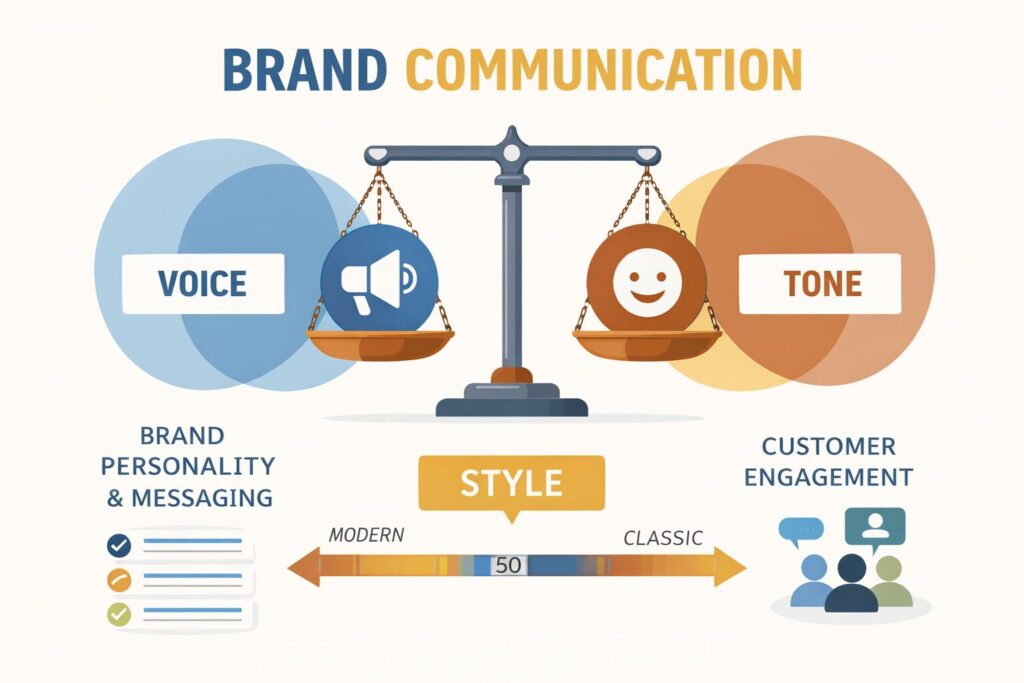
A strong brand communication strategy balances tone, humor, personalization, language style, and clarity. In this guide, we break down these essential elements to help brands communicate more intentionally, connect more authentically, and remain adaptable in an ever-evolving digital landscape.
Understanding Your Audience in Brand Communication
Successful brand communication begins with a deep understanding of your audience. At papublishing.com, we view our audience as dynamic and continually evolving rather than static or fixed.
By studying audience behavior, preferences, and expectations, brands can tailor communication that resonates today while remaining flexible for tomorrow. This forward-thinking approach ensures messaging stays relevant, relatable, and aligned with audience growth over time.
Balancing Humor in Brand Communication
Humor can significantly enhance brand communication when used strategically. At papublishing.com, we use humor thoughtfully to increase engagement without compromising clarity or professionalism.
Well-placed humor humanizes a brand, makes content more memorable, and helps simplify complex topics. However, excessive or misplaced humor can dilute credibility. The key is moderation—using humor to support the message, not distract from it.
For guidance on developing a consistent and effective brand voice, HubSpot offers valuable insights:
https://blog.hubspot.com/marketing/brand-voice
Personalization as a Brand Communication Tool
Personalization is a critical component of modern brand communication strategy. Audiences expect brands to speak with relevance while maintaining consistency.
At papublishing.com, personalization means acknowledging individuality without sacrificing brand integrity. This balance allows brands to feel approachable and human while maintaining a unified, professional voice that scales across platforms and audiences.
The Role of Descriptive Writing in Brand Communication
Clear, descriptive writing strengthens brand communication by improving understanding and building trust. At papublishing.com, we prioritize clarity over complexity.
Breaking down ideas into digestible explanations helps readers engage more deeply with content. Descriptive writing does not mean excessive detail—it means being precise, informative, and intentional with every word to guide readers confidently through the message.
Language Style Balance: Modern and Classic Brand Voice
An effective brand communication strategy balances modern and classic language styles. At papublishing.com, this blend ensures accessibility without sacrificing authority.
Modern language keeps communication current and engaging, while classic elements provide structure, professionalism, and reliability. Together, they create a brand voice that appeals to diverse audiences and withstands shifting trends.
Sentence Structure and Flow for Effective Communication
Sentence structure plays a vital role in effective brand communication. Clear, well-paced sentences improve readability and keep audiences engaged.
At papublishing.com, we focus on natural flow, varied sentence length, and smooth transitions. Strong sentence construction reduces friction, improves comprehension, and ensures that key messages are delivered with impact.
Conclusion: Building a Strong Brand Communication Strategy
Effective brand communication is intentional, consistent, and audience-focused. By understanding your audience, balancing tone and humor, personalizing thoughtfully, writing descriptively, and maintaining a cohesive language style, brands can communicate with clarity and confidence.
At papublishing.com, these principles guide every interaction, helping brands foster trust, strengthen engagement, and create communication that resonates long after it’s read.
For additional perspective on tone and consistency in brand communication, Nielsen Norman Group provides an excellent resource:
https://www.nngroup.com/
Call to Action
Evaluate your current brand communication strategy. Consider how tone, clarity, personalization, and structure influence how your message is received.
Explore more insights at papublishing.com, engage with our content, and continue refining your communication approach—because every interaction is an opportunity to strengthen your brand.
Brand Communication — Frequently Asked Questions
What is a strategic brand and why is it important for brand communication?
A strategic brand is the deliberate alignment of brand identity, core message, brand values, and positioning strategy to influence how potential customers perceive your products and services. In brand communication this strategy guides messaging across communication channels — from social media platforms to traditional and digital advertising — ensuring a consistent brand message that builds brand awareness, market share, and brand loyalty over time.
How do you create a strategic brand communication plan for your business?
To create a brand communication plan start by defining your brand goals, target audience, unique selling proposition, and brand identity. Map touchpoints where every time a customer interacts with a business they encounter your brand message, then choose the appropriate communication channels (social media marketing, content marketing, email, PR, and marketing communications). Include metrics and qualitative research for measurement, set a timeline, and align marketing communication strategy with overall brand strategy to maintain brand consistency.
What is the role of a message and core message in effective communication strategy?
A message or core message is the single, clear idea you want audiences to remember. It should reflect your brand story, brand values, and unique selling proposition. A focused core message makes engaging with your brand easier across marketing and advertising, content marketing strategies, and social media platforms, helping to create a consistent brand identity and improve brand recognition whenever a customer interacts with the brand.
Which communication channels should I use in my brand communication around a campaign?
Select communication channels based on where your target audience spends time and how they prefer to interact with a company. Combine social media platforms, content marketing, email, PR, advertising, and point-of-sale touchpoints for a multichannel approach. Use analytics to determine which channels drive the most engagement and conversions, and maintain a consistent brand presence across traditional and digital channels to amplify the benefits of effective brand communication.
What are the benefits of effective brand communication for business growth?
The benefits of effective brand communication include stronger brand image and brand identity, increased brand awareness, higher brand loyalty, clearer brand positioning, and improved ability to attract potential customers. Effective communication strategy also supports market share growth, better customer engagement, and measurable returns when you track key metrics tied to marketing communications and communication efforts.
How can a communication model improve brand message delivery?
A communication model clarifies sender, message, medium, receiver, and feedback loops so you can optimize how you communicate your brand. By applying a model you ensure messages are tailored for the target audience, reduce noise and misunderstanding, and create efficient feedback-based iterations. This strategic brand communication approach improves the impact of your content marketing, social media marketing, and overall marketing communication strategy.
What are practical steps to create a brand communication that customers remember every time a customer interacts?
Practical steps include defining a consistent brand voice and visual identity, crafting a memorable core message, aligning messaging across all touchpoints, training staff on brand communication guidelines, and using storytelling that reflects brand values. Combine content marketing strategies, social media platforms, and in-person interactions so that every time a customer interacts with your business they receive a cohesive, engaging experience that reinforces brand positioning.
How do you measure good brand communication and its impact on brand engagement?
Measure good brand communication using quantitative metrics (engagement rates, conversion rate, reach, share of voice, and sales lift) and qualitative research (brand perception studies, customer interviews, and sentiment analysis). Track brand communication goals tied to brand engagement, brand loyalty, and brand presence; use these insights to refine your marketing communication strategy and improve brand outcomes.
How can small businesses build a brand using an effective communication strategy and communication approach?
Small businesses can build brand awareness by defining clear brand goals, creating a believable brand story, focusing on a consistent brand message, and selecting high-impact communication channels that align with budget and audience. Leverage content marketing, social media platforms, and local marketing communications to engage potential customers, highlight products and services, and gradually build brand positioning. Prioritize strategies and tips that scale—repeatable processes, measurable metrics, and ongoing refinement—so your small business can maintain brand growth and trust.