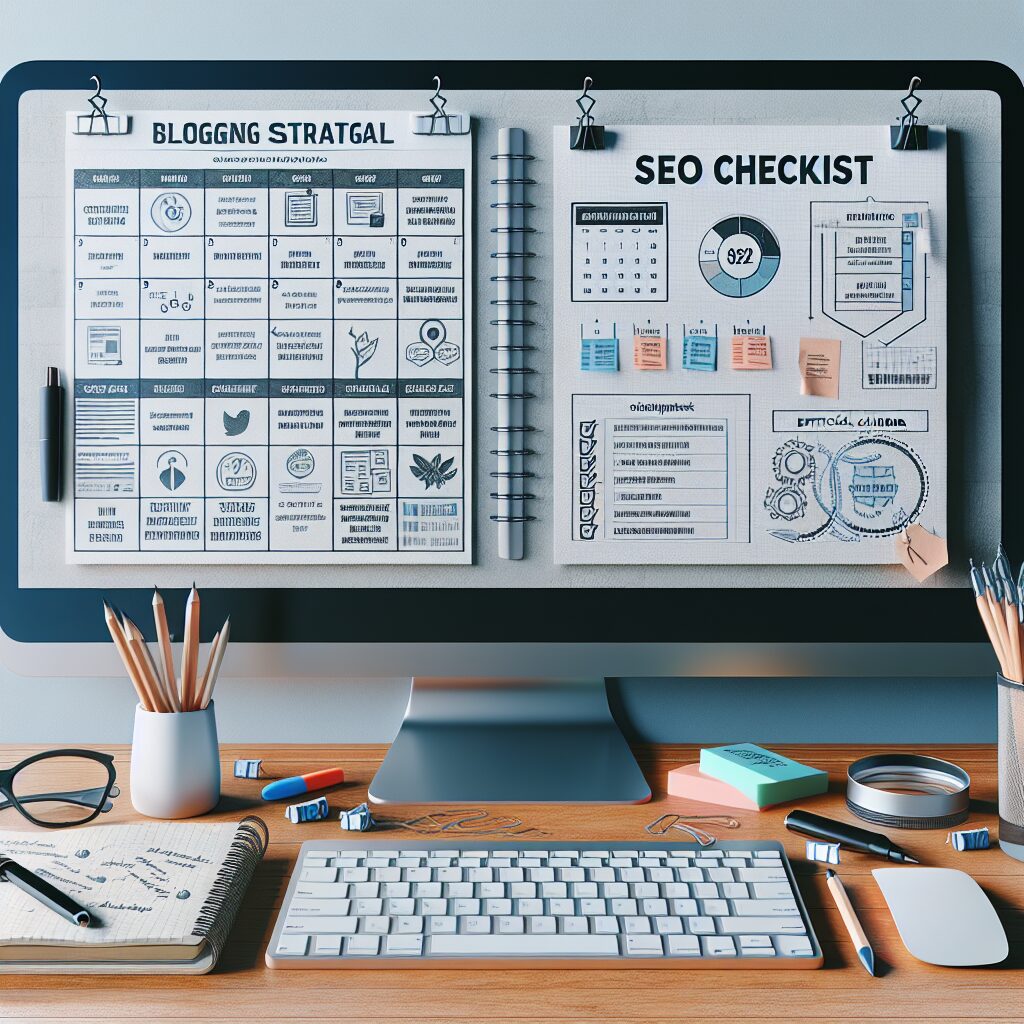
Blog Smart: Helpful Tips To Guide You
Running a blog can be both entertaining and financially rewarding when approached strategically. Many online platforms and resources can help you start quickly, but long-term success typically depends on consistent publishing, a clear focus, and thoughtful promotion. The guidance below will help you launch a new blog or improve an existing one while keeping the process enjoyable and sustainable.
Establish a Clear Voice and Credible Approach
Differentiate your blog with a clear point of view. Readers gravitate toward content they cannot easily find elsewhere. Stand apart by offering original analysis, firsthand experience, specialized expertise, or a distinctive approach to a familiar topic. For example, instead of writing “how to budget,” share a detailed template you used, the mistakes you made, and how you corrected them. The goal is to give visitors a compelling reason to choose your blog over similar sites.
Write with authenticity and credibility. Treat your audience as intelligent and informed. Be honest about what you know and what you are still learning, and support claims with reliable sources when appropriate. Perfection is unnecessary; continuous improvement is more valuable. A blog that demonstrates clarity, integrity, and a consistent voice will earn trust over time.
Create Content That Readers Can Use
Prioritize quality over volume. Consistency matters, but not at the expense of usefulness. Publish content that is accurate, clear, and genuinely helpful. Readers are more likely to return when they feel your posts save them time, teach them something, or provide a credible perspective. Where appropriate, strengthen posts with examples, visuals, templates, or brief case studies.
Use lists to improve readability. Lists make key points easier to scan and remember, especially for tutorials, checklists, and step-by-step guides. They are effective in nearly any niche, whether you are outlining ingredients and tools for a recipe or the parts required to repair a vintage vehicle. Well-structured lists can also reduce bounce rates by helping readers find what they need quickly.
- Checklists help readers take action immediately (for example, “Before you publish, confirm these five items…”).
- Step-by-step lists improve clarity in how-to posts and reduce confusion.
- Resource lists (tools, books, templates) add practical value and encourage bookmarking.
Build Sustainable Publishing Habits
Publish consistently to build trust and momentum. Regular posting gives readers a reason to return and makes your blog easier to recommend. A daily schedule is not required for quality, but consistency is. Choose a cadence you can maintain—such as two to three posts per week—and use an editorial calendar to plan topics in advance. If you post infrequently or unpredictably, even interested visitors may not develop a habit of returning.

Be patient as your audience grows. Blog traffic rarely increases overnight. Search engines need time to index content, and readers need time to discover and trust your work. Early on, limited content also means fewer entry points for visitors. Over time, a larger library of high-quality posts creates more opportunities to rank, be shared, and attract returning readers.
Plan and Implement SEO Early
Use search engine optimization (SEO) from the beginning. If your goal is to reach more readers, your content must be discoverable. Aim to appear prominently in search results by selecting specific, relevant keywords and incorporating them naturally into titles, headings, and body text. Consider focusing on “long-tail” phrases (for example, “beginner indoor herb garden tips” rather than “gardening”), which can be less competitive and better aligned with user intent. For practical SEO fundamentals, refer to Google Search Central’s SEO Starter Guide.
Choose keywords strategically and realistically. Competing for broad, highly popular keywords can be difficult, especially for newer blogs. Instead, target specific topics that match your expertise and audience needs. Unique and precise keywords help you reach readers who are actively searching for exactly what you offer, which can lead to higher engagement and better conversion over time.
Avoid keyword stuffing. Excessive repetition of keywords harms readability and may reduce your visibility in search results. Write for people first, then refine for search engines. A good practice is to draft naturally, then review your post to ensure keywords appear in meaningful places (such as the title and an early paragraph) without forcing them into every sentence.
Promote, Distribute, and Engage Responsibly
Distribute your content across multiple channels. Publishing on your blog is only one step; promotion increases the chances of reaching new readers. Share posts through email newsletters, professional networks, and relevant communities. Repurpose content into shorter formats—such as a brief summary for social platforms or a discussion prompt for a forum—while linking back to the original post. Avoid limiting yourself to a single outlet; diversification reduces reliance on one traffic source.
Keep comments open when possible and respond thoughtfully. Comment sections can build loyalty and deepen engagement when moderated well. Reply promptly and courteously, ask follow-up questions, and acknowledge helpful additions from readers. This interaction encourages repeat visits because commenters often return to see responses and continue the conversation.
Handle feedback professionally and without emotional escalation. Constructive criticism can strengthen your writing and improve your content strategy. When commenters disagree respectfully, engage with them thoughtfully and clarify your reasoning. If a comment is hostile or combative, respond politely—if at all—then move on. Maintaining a calm, respectful tone signals maturity and helps preserve a productive community.
Apply these practices to refine your blog, strengthen your voice, and better serve readers. With consistent effort, thoughtful SEO, and content that offers genuine value, you can distinguish your blog from competitors and build an audience that grows steadily over time.