Build an Influencer Marketing Strategy| 5 Tips
How to Build an Influencer Marketing Strategy?
86% of US marketers partnered with influencers in 2025, and this number will only increase in the coming years. To stay ahead, you need an effective influencer marketing strategy that drives high ROI and builds loyal customers. Here are the tips for that!
Tips to Build an Influencer Marketing Strategy
To build a strong influencer marketing strategy, set clear objectives, choose the right platform, and track key performance indicators. Let’s discuss these in detail:
Set Goals
Before you move toward getting influencers on board, define what success looks like. You should set clear goals, whether it’s brand awareness or driving conversions. Also, set a clear budget: 60% to 70% to the creator, 10% to 15% for necessary tools, and the remainder for optimization and testing. This way, you not only have a direction but can also evaluate the creator’s performance over time.
Find the Right Platform
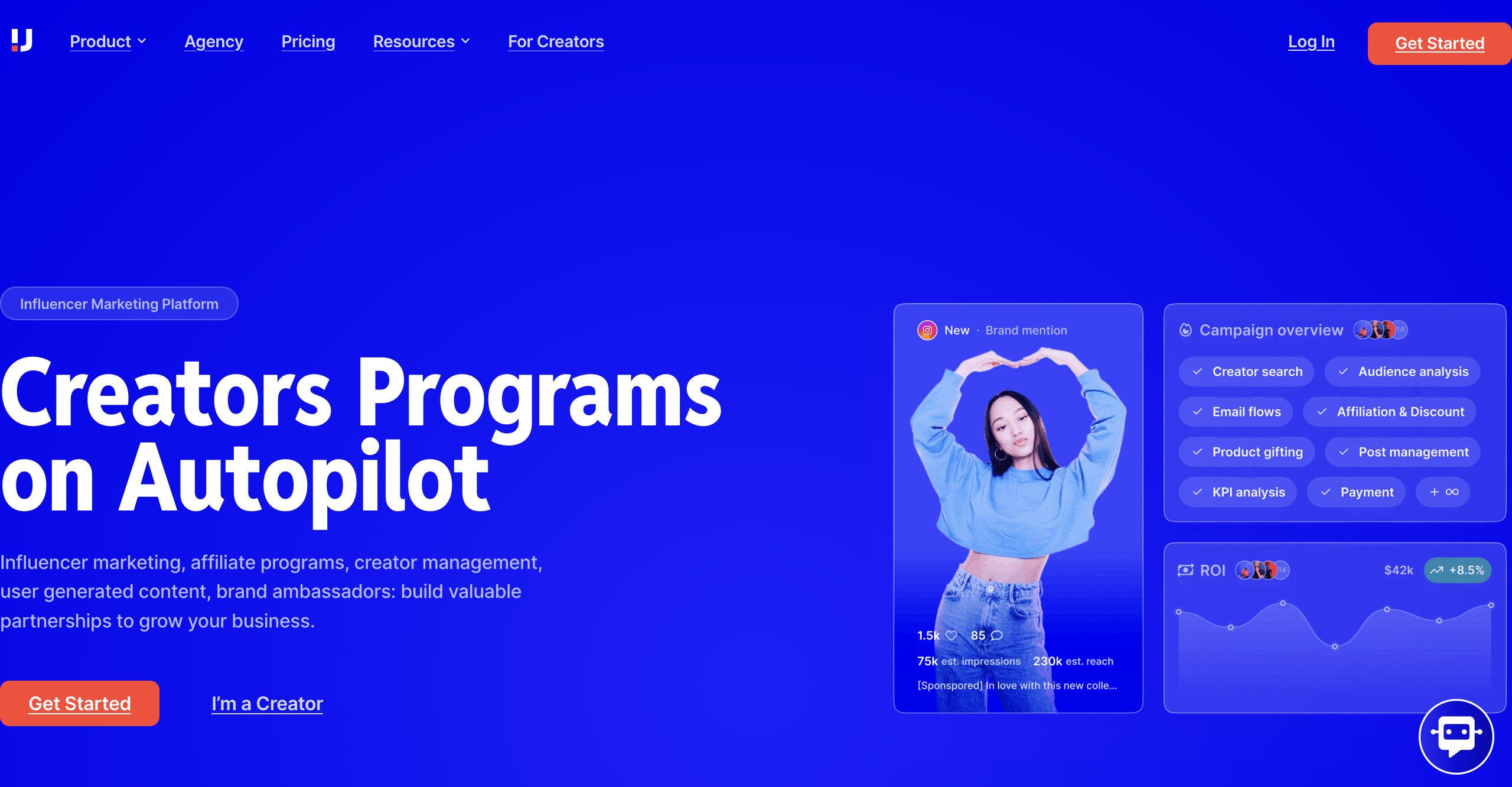
Finding quality influencers is quite a challenge. So another important thing you must do is to choose the right influencer and affiliate marketing platform. That’s where Upfluence comes in. It’s an incredible place where you can get top-quality influencers and creators, manage your campaigns, track sales, send promo code links, and handle creator payments easily in any currency.
Especially if your business is on Amazon, Shopify, or WooCommerce, you can connect creator activity directly to sales. For instance, you can generate promo codes and track individual purchases, clicks, and conversions. The platform has over 12 million creators, plus AI-powered data interpretation that ensures quality while saving you time.
Understand the Types of Influencers
You shouldn’t just randomly shortlist any influencer for your campaigns. Instead, take time to understand the different types of creators, then choose the one that best aligns with your business goals. Here’s an overview:
- Nano-Influencers (1,000–10,000 followers): Nano-influencers are everyday individuals who have a very connected and authentic following. Their recommendations are trusted and can drive strong engagement. The best part is that collaboration is cost-effective, and some creators may agree in exchange for free products.
- Micro-Influencers (10,000–100,000 followers): They have a niche audience and are considered experts in their field, providing you with high engagement, targeted reach, and eventually smooth conversions.
- Macro-Influencers (500,000–1M followers): Macro influencers have a substantial following and are seen as the leaders in their industry. Their reach is amazing, offering you enhanced brand awareness and polished lifestyle content. However, they are expensive compared to both nano- and micro influencers.
Plan Distribution
Plan where each piece of content will go to maximize visibility and impact. Decide what should appear on creator channels, social media feeds, and product pages. For instance, you can share short-form videos on the creator’s channel while putting FAQs and reviews on product pages. The goal is to ensure the content reaches the right audience at the right time in the buyer journey.
Track KPIs
Once you’ve picked the influencer and created content, you should measure key performance indicators (KPIs) to track their progress. These include:
- Return on ad spend: Revenue you make for each dollar spent on influencer marketing campaigns.
- Cost per acquisition: Money you spend to acquire new customers.
- Conversion rate: The percentage of the total number of clicks you received that resulted in conversions.
- Engagement rate: Likes, comments, and shares you get divided by the total number of followers.
- Click-through rate: The percentage of people who click on a particular influencer link.
- Impressions: Total number of times your content appears on the target audience’s screens.
Upfluence also helps with this by providing insights into sales and ROI for your campaigns within the platform.
Conclusion
When you build an influencer marketing strategy, you build instant trust, reach a niche audience, and drive sales. Soon, your brand becomes popular with the masses, helping you capture quality leads.