Dropshipping vs Print on Demand: What’s Right for You?
Dropshipping vs Print on Demand: What’s Right for You?
If you are starting a small business, you will come across two business models: dropshipping and print on demand. Each differs in its cost, setup, product customization, and profit potential. Want a detailed overview of dropshipping vs print on demand? Let’s discuss the benefits and challenges of each model so you can make the right decision!
What is Dropshipping?
In dropshipping, the business doesn’t keep the products in stock. As soon as a customer places an order, the system purchases the item from a third party and delivers it to the customer. You just get the dropshipper’s charges and never actually handle products in-store.
Overall, dropshipping is a $590B industry, and it’s growing 22% annually. Examples include electronics, toys, accessories, health and beauty products, and office supplies.
What is Print on Demand?
The print on demand model involves the business producing and shipping products only when customers place an order. Its working is simple; you first connect with a print on demand provider and choose products to sell from their catalog.
When an order is received, the provider prints, packs, and ships the items directly to the customers. The global POD market is worth over $12 billion and could hit $19.8 billion by 2029. In addition, most print on demand products have an average 20% profit margin. Clothing like t-shirts, home decor, drinkware, wall art, and stationery items all fall into a print on demand business category.
Dropshipping vs Print on Demand: Head-to-Head Comparison
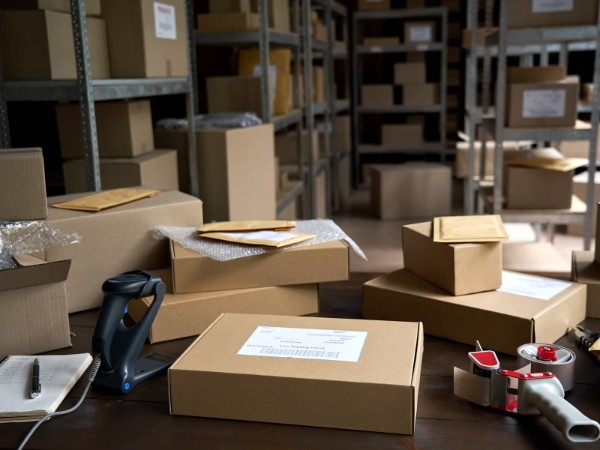
In dropshipping vs print on demand, the right choice depends upon the resources available and risk level. Here’s a comparison of both for your understanding:
Initial Cost
For both dropshipping and print on demand, the initial cost is minimal compared to traditional business setups. However, there are still a few differences in investment and profit margins.
- Dropshipping: In a dropshipping business, you don’t have to make any upfront inventory investment. But since the inventory levels are managed by another partner, you have to be very careful in your selection to avoid costs related to refunds and delays.
- Print on Demand: On the other hand, print on demand involves product design, ordering product samples for quality check, and building a strong brand presence. These are manageable but add to your initial budget and contribute to customer satisfaction.
Risk Level
Well, as both business models don’t require much upfront investment, the risk level is minimal. Nonetheless, mistakes can happen in dropshipping and print on demand that may affect your choice.
- Dropshipping: In dropshipping vs print on demand, the former’s risk lies in supplier reliability. You have less control, and even a sudden delay or shortage can lead to unhappy customers. Moreover, the ad spend is quite high, so any failed campaign can result in losses.
- Print on Demand: In print on demand, the risk is tied to the overall product’s appeal and designs. However, the product listing cost on Etsy and other platforms is very low, so you can test various products without draining capital.
Brand Building
Having your personal brand and identity can really boost your business growth. Let’s see which model helps you in this:
- Dropshipping: In dropshipping, you may struggle to stand out since many businesses are offering the same products.
- Print on Demand: Contrarily, print on demand gives you a better opportunity to create a brand around your proprietary art or intellectual property.
Conclusion
In dropshipping vs print on demand, choosing the right one is your personal decision driven by factors like your budget, goals, and risk. You just need to provide high-quality products that turn first-time buyers into returning customers, generating consistent revenue.