
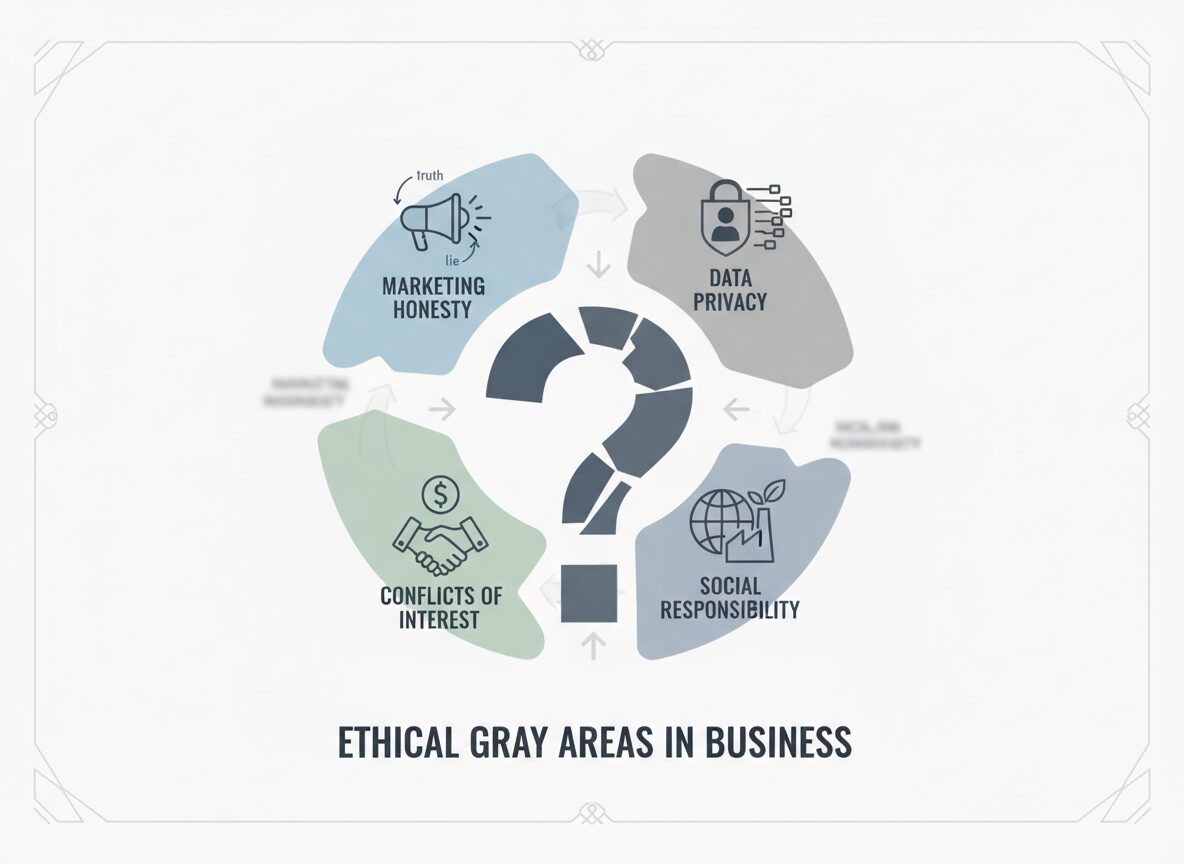
Navigating Ethical Gray Areas in Modern Business Practices
Ethical dilemmas in business are rarely black and white. Instead, they often appear in shades of gray—complex, nuanced situations where legal compliance might not align with moral integrity. These gray areas test not only the character of leaders but also the ethical backbone of entire organizations. When confronted with such situations, the decisions made can have long-term consequences for reputation, trust, and success.
The modern business landscape is full of such gray zones, where ambition and integrity can either coexist or collide. Companies that navigate them with care often emerge stronger, building loyalty and resilience along the way. Conversely, those that compromise ethics for short-term gains may face fallout that’s difficult to recover from. Learning from these experiences—both good and bad—is key to evolving as a responsible business leader.
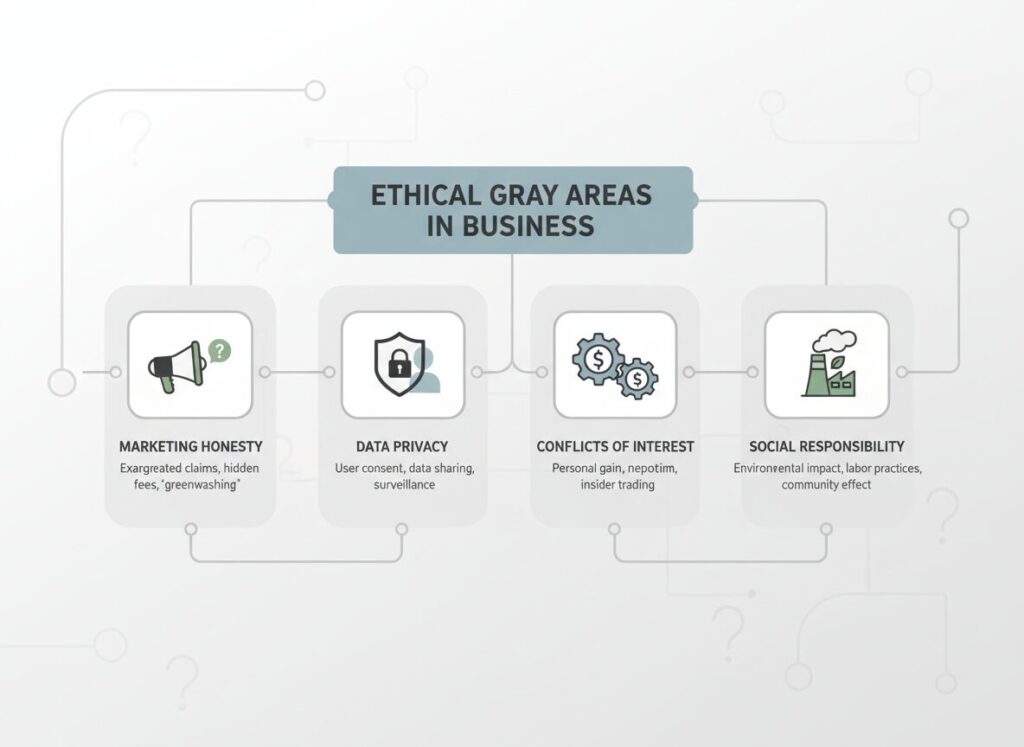
In this article, we’ll explore real-world lessons from the gray areas of business ethics, drawn from case studies that reflect challenges in marketing, social responsibility, conflicts of interest, and data privacy. Each example reveals how seemingly small ethical choices can create ripple effects, shaping both corporate culture and public perception.
Learning from Ethical Gray Zones in Modern Business
Honesty and Transparency in Marketing
Ethical dilemmas in business: Marketing is where persuasion meets creativity, but it also sits on fertile ground for ethical compromise. Brands walk a fine line between promoting their products and misleading consumers. A common example is “greenwashing”—when companies exaggerate or fabricate claims about environmentally friendly practices to appeal to eco-conscious buyers. While it can boost short-term sales, the long-term damage to credibility can outweigh any immediate gains.
To counter this, transparency should be treated as a core value rather than a marketing tactic. Ethical marketing involves ensuring that claims are truthful, verifiable, and consistent with business practices. Companies should provide real data to back up environmental or social statements, allowing consumers to make informed choices. When honesty drives strategy, trust becomes a company’s most valuable asset.
Ultimately, marketing should communicate value, not manipulate perception. The gray area between persuasion and deception is best managed by asking a simple question: Would this message still feel right if it were broadcast publicly to every stakeholder? If the answer is uncertain, the ethical high ground is likely being compromised.
Balancing Profit and Social Responsibility
Profitability is the lifeblood of business, but when it comes at the expense of public welfare, ethical conflicts arise. A classic example is the tobacco industry, which continues to generate billions in profit while selling a product known to cause harm. Though lawful, such practices highlight the difference between legal compliance and moral accountability—a gap that exposes one of the deepest gray areas in business ethics.
Organizations can overcome this challenge by embracing a broader view of success—one that includes social and environmental responsibility alongside financial results. Ethical businesses recognize that purpose and profit can coexist, and that long-term sustainability often comes from doing what’s right, not just what’s profitable. Social responsibility can mean reducing environmental footprints, ensuring fair labor practices, or supporting community well-being.
Striking the balance requires courage, transparency, and conviction. Companies that lead with ethics are more likely to build enduring value, appealing to increasingly conscious investors and consumers alike. In a world where reputation travels fast, ethical integrity often proves to be the best investment.
Finding Balance Between Profit and Moral Responsibility
Addressing Conflict of Interest
Ethical dilemmas in business: Conflicts of interest are among the most destructive ethical dilemmas an organization can face. They occur when personal gain interferes with professional duties, compromising impartiality. The Enron scandal remains a sobering example—executives manipulated financial statements to inflate stock prices, prioritizing self-interest over shareholder trust. The fallout not only led to Enron’s collapse but also redefined corporate governance standards worldwide.
Preventing such conflicts begins with clearly defined ethical policies and real accountability. Transparent disclosure systems and independent oversight help identify potential issues before they escalate. Ethical leaders must also cultivate a culture where honesty and responsibility are rewarded more than risky shortcuts or favoritism.
Handling conflicts of interest is ultimately a test of character. When leaders choose integrity over personal benefit, they set a precedent that guides everyone beneath them. Ethical clarity, constantly reinforced through policies and practice, is the best defense against ethical breaches rooted in divided loyalties.
Protecting Consumer Privacy
Ethical dilemmas in business: In today’s digital economy, data is the new currency—and protecting it has become a defining ethical challenge. Companies regularly collect vast amounts of personal information through online interactions, often blurring the line between useful analytics and invasive surveillance. The Cambridge Analytica case stands as a stark reminder of what can happen when data is misused or collected without consent, eroding public trust and sparking global backlash.
To navigate this gray area, businesses must prioritize transparency about data collection and usage. Clear communication, straightforward consent processes, and responsible data handling practices are non-negotiable pillars of ethical digital operations. When customers feel their information is respected, trust deepens—a priceless advantage in a competitive market.
Data ethics also demand proactive protection. Investing in cybersecurity, minimizing data retention, and complying with privacy laws are not just technical requirements—they’re moral imperatives. As technology evolves, the responsibility to safeguard personal information becomes central to maintaining both consumer confidence and corporate integrity.
Navigating the gray areas of business ethics demands more than compliance—it requires conscience, accountability, and the courage to prioritize what’s right over what’s easy. From honest marketing to responsible leadership, from balancing profit with social good to guarding consumer privacy, each decision defines a company’s ethical identity.
Ethical gray zones will never completely disappear. However, by committing to transparency, empathy, and continuous reflection, businesses can transform these challenges into opportunities for growth and trust-building. It’s in these uncertain spaces that true integrity shines brightest.
Ultimately, the lesson is clear: in the landscape of modern business, ethics isn’t just a set of rules—it’s a compass. The direction a company chooses to follow determines not only its success but also the legacy it leaves behind.