
8 Tips on How to Upsell Without Being Pushy
Upselling is a simple way to increase sales when done with care. It can raise the average amount a customer spends by around 41 percent just by offering something more useful. But many sellers end up sounding forceful and lose trust. If you want to know how to upsell without being pushy, you will have to stay helpful and genuine.
In this article, we discuss eight easy tips that will make upselling feel natural and keep your customers happy and eager to purchase your products.
Difference Between Upselling and Cross-Selling
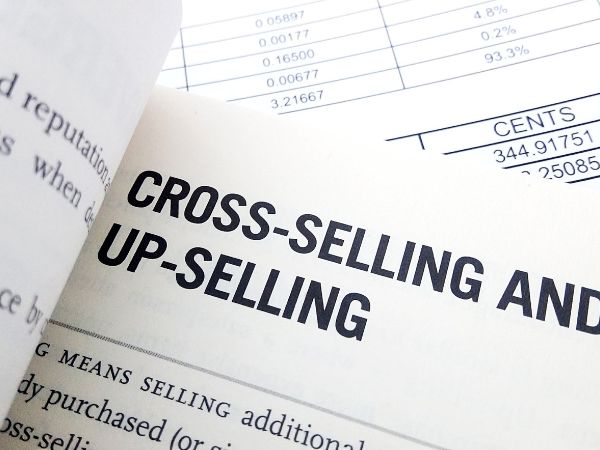
Upselling and cross-selling are both sales techniques, but they serve different goals. Upselling means offering the customer a better or more advanced version of the product they are already planning to buy. For example, if someone is buying a mobile, suggesting one with more storage is upselling.
Cross-selling, on the other hand, is about suggesting related products that go well with the original item. For example, offering a phone case or charger with a phone is cross-selling. Many businesses confuse the two and end up making irrelevant offers.
You should first understand the difference between the two before making any suggestions. When done correctly, it will increase your sales and improve the customer’s overall shopping experience.
How to Upsell Without Being Pushy
Businesses today face uncertain times, and there is a strong need to improve sales strategies to stay ahead. Upselling alone can raise revenue by 10 to 30 percent on average, but only if done the right way. Once you understand how to upsell without being pushy, you can learn from business failures and finally see better results.
Here are the best tips to learn how to upsell without being pushy:
Suggest, Don’t Push
Many times, sellers try too hard to sell more by telling customers what to buy. This can easily backfire, especially if the customer feels like they’re being forced into something they don’t need. A better approach is to suggest instead of push. Use simple, friendly language and show how the product can help them. Proper communication with customers is very important. As you speak clearly and politely, the customer will feel more comfortable and open to your ideas.
Good upselling starts with a helpful attitude, not pressure. When you suggest something based on what the customer needs, it shows that you understand them. If you want to learn how to upsell without being pushy, you should begin by focusing on honest suggestions and clear communication that feels natural.
Use Customer Data Wisely
Using customer data the right way will help you offer better options without making customers feel uncomfortable. Instead of guessing, pay attention to what they have bought before or what they often view. The best way to collect this kind of information is by asking for customer feedback. It will show what they liked, what they found useful, and what they might want next.
Getting a new customer to buy already has a very low chance, only around 5 to 20 percent. But when you offer something to someone who already knows your service, the chance of success can go up to 60 or even 70 percent. That is why using this data wisely really works.
Show the Real Benefit
Customers do not just want extra features. They want to know how the product will help them in real life. Instead of naming technical details, explain how it can make things easier or more useful for them. For example, say that a laptop with more memory helps them open many apps quickly and get more done.
People are more likely to buy when they understand how the product fits into their daily life. Also, improve your online customer service so people can easily ask questions and feel supported before making a choice. You will be able to learn how to upsell without being pushy when you focus on the benefit, not the feature.
Bundle with a Reason
Bundling with a reason means you provide a set of products that clearly go well together and improve the customer’s experience. In upselling, this will work best when you create a premium offer that feels like a smart deal. For example, selling a high-quality tablet would get the customer a charger and protective case at a lower price than buying each item separately.
This will only work when the items are useful and clearly connected to the main product. Random bundles feel forced and usually confuse the customer. A well-planned bundle for upselling will make the upgraded product offer more practical value and will also be seen as a customer retention strategy.
Be Honest About Urgency
A common mistake many business owners make, especially those running small businesses, is creating false urgency to push customers into buying quickly. They might say “only a few left” or “offer ends in one hour” when that’s not really true. This can damage trust and make people avoid the brand altogether. Customers are smart and can often tell when urgency is fake.
Instead, be honest about limited-time offers or stock levels. If a discount is really ending soon or a product is low in stock, it’s fine to say so. Real urgency, when shared honestly, encourages people to act without feeling tricked. Building trust is more valuable in the long run than forcing a rushed sale with false pressure.
Make Upsell Offers Feel Natural
Many businesses interrupt the customer’s shopping experience with sudden pop-ups or loud upgrade messages. This can feel annoying and push the customer away instead of helping them decide.
A better way is to offer upgrades or bundles at the right time, such as when the customer is reviewing their cart or checking out. You will be able to keep the flow natural and make the offer feel like a helpful choice. It’s one of the most effective ways to learn how to upsell without being pushy.
For example, if someone is buying a phone, showing a better version or a bundle option on the side is much better than forcing a pop-up during browsing. The timing, placement, and tone should feel smooth.
Listen Before You Offer
Before suggesting an upgrade, it is important to understand what the customer actually needs. This applies even in online sales, where you can listen by reading reviews, checking chat history, or noticing what products the customer spends time on.
Many businesses jump into offers too quickly without knowing what the customer is looking for. When you take time to listen first, your suggestion feels more personal and thoughtful. In fact, paying close attention to customer behavior and questions can improve sales results by around 8 percent. People are more likely to accept an offer when they feel heard and understood.
Follow Up the Right Way
Following up after a customer shows interest is important, but too many messages can feel quite annoying. One clear and friendly reminder is enough. You can make it personal by mentioning what they viewed or left behind. A well-timed follow-up message will show care, not pressure, and will give the customer space to decide while keeping your offer in mind.
Conclusion
Now that you know how to upsell without being pushy, you can start planning your business strategy with much more confidence in success. Remember to never become too forceful or overwhelming, as customers will find honesty and clarity much more helpful. Upselling will increase your revenue and strengthen relationships with your buyers.