
Anyone who has ever participated in planning a wedding—large or intimate—can attest that it is demanding. With caterers, venues, florists, music, budgets, and schedules to coordinate, it is easy to feel overwhelmed. The practical guidance below will help you make thoughtful choices, reduce stress, and design a celebration that feels intentional and refined.
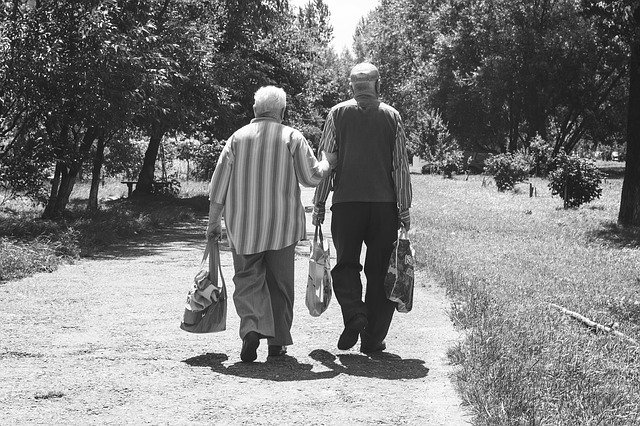
At the same time, a wedding is only one day within a far longer commitment. Balancing the emotional significance of the occasion with clear-headed planning will help you make decisions you can feel proud of—both on the day itself and in the years that follow.
Build a Strong Foundation Before Finalizing the Details
Choosing your spouse is the most consequential decision involved in wedding planning. This life-altering commitment should not be rushed. Reflect on the values you require in a partner—trust, empathy, accountability, and shared goals—and be honest about traits or habits that could create long-term friction. A thoughtful engagement is not merely about a beautiful ceremony; it is also an opportunity to build a stable foundation for marriage.
Marriages between people of different faiths are increasingly common. Still, it is wise to discuss—well before the wedding—how faith traditions may influence your marriage, relationships with in-laws, and decisions about children. Speak openly with your fiancé(e), and consider a respectful conversation with both families to clarify expectations about ceremonies, holidays, dietary practices, and future milestones. When appropriate, a session with a premarital counselor or officiant familiar with interfaith ceremonies can help set a constructive tone.
Define Your Vision and Create Cohesion
You can create a personalized wedding by choosing elements that reflect your shared identity. Consider a theme or guiding concept based on your story—how you met, places you have visited together, a shared hobby, or a meaningful season. Even subtle touches, such as signature drinks named after memorable moments or table names inspired by favorite books, can make the day feel distinct without adding significant cost.
Create cohesion by selecting one detail to repeat across multiple elements of the day. For example, use the same ribbon from your bouquet on centerpieces, programs, or the cake table; repeat a signature flower in bouquets and boutonnières; or carry an accent color through linens, invitations, and signage. Small, consistent details elevate the overall presentation and give guests the impression of deliberate, polished planning.
For couples who love travel, incorporate subtle travel-inspired details into the décor. Invitations can resemble vintage postcards, escort cards can be designed as “boarding passes,” and tables can be named after meaningful destinations. A classic suitcase or trunk can display photos, programs, or favors, while a guest book can take the form of a map where attendees sign around locations important to you.
Select Venues, Vendors, and Logistics With Care
Consider using the property of a loved one as your venue. A friend’s large backyard, a family farm, or a private estate can reduce rental expenses and add warmth to the atmosphere. Plan carefully, however, for practical needs such as tenting, restrooms, parking, power, permits, and accessibility. Hiring professionals for setup and cleanup—and, if necessary, security—helps you protect relationships and ensures the host does not feel burdened.
TIP! Invest in high-quality wedding photography so the memories can be preserved for a lifetime and shared with future generations. Review a photographer’s full galleries (not only highlight reels), confirm the style you prefer (classic, editorial, documentary), and ensure the contract clearly outlines hours, deliverables, backup equipment, and turnaround time. Spending slightly more for a proven professional can prevent costly disappointment.
TIP! Review the portfolios of any makeup artist you are considering, and confirm that their style aligns with your preferences and your wedding’s overall aesthetic. Schedule a trial, test the look in natural light and flash photography, and confirm which products will be used—especially if you or your bridesmaids have sensitive skin. The right artist will enhance your features without overpowering them.
Confirm that your venue lighting can be adjusted. This detail affects the mood of the room, the quality of photos, and the comfort of guests. Dimmable lighting can create an elegant atmosphere for the first dance and toasts, while brighter settings support dinner service and speeches. Ask about lighting controls, whether candles are permitted, and if additional uplighting is allowed or requires an approved vendor.
Plan Guest Experience: Seating, Support, and Comfort
When planning seating for the reception, aim for balanced tables to maintain energy and conversation. Group guests by compatible interests, relationships, and conversational style rather than by age alone; mixed-age tables can be delightful when there is a connecting thread. Avoid isolating single guests or placing people with known conflicts together. If possible, provide place cards rather than open seating to reduce confusion and ensure your plan is followed.
Ask a trusted friend or relative to assist with practical tasks throughout the day—provided they are reliable and comfortable with the responsibility. They can help move items, distribute vendor tips, coordinate family members for group photos, and ensure personal belongings are safely stored. To avoid overburdening one person, consider assigning a small team with clear, written responsibilities and a point of contact for vendors.
If children will have roles in the ceremony, prioritize comfort to support good behavior. Choose soft fabrics with breathable structure and allow enough room for movement; avoid itchy materials, tight collars, or restrictive waistbands. Ensure new shoes are broken in ahead of time and consider bringing backup footwear. Pack simple essentials such as snacks, water, and a quiet activity for downtime. Comfortable children are far more likely to enjoy participating and remain calm during key moments.
Make Smart Choices About Food, Dessert, and Attire
You do not need a large, expensive wedding cake to provide a memorable dessert. Discuss options with a local bakery, such as a smaller display cake paired with sheet cakes for serving, or individually portioned desserts such as cupcakes, macarons, or mini tarts. Many bakeries also offer dietary-conscious options—gluten-free, dairy-free, or fruit-forward fillings in place of heavy frosting—so more guests can enjoy dessert comfortably. A dessert table with labeled items can also reduce serving delays and add visual interest.
TIP! Avoid crash dieting to fit into your dress or suit. Rapid weight loss can harm your health and may also affect how your attire fits close to the wedding date. Instead, prioritize steady habits—sleep, hydration, and balanced meals—and schedule fittings with enough time for reasonable alterations.
Conclusion
With a clear plan and thoughtful decisions, you can create a wedding that feels both meaningful and well-managed. Regardless of the size or style of the celebration, these strategies can help you prepare with confidence and enjoy the day as it unfolds.