Small Business Tax Preparation Guide
As a small business owner, navigating the complexities of tax preparation can feel overwhelming. You may find yourself grappling with various forms, deadlines, and regulations that seem to change frequently. Understanding the fundamentals of small business tax preparation is crucial for ensuring compliance and maximizing your financial health.
At its core, tax preparation involves gathering all necessary financial information, calculating your tax obligations, and filing the appropriate forms with the IRS and state authorities. This process not only helps you avoid penalties but also allows you to take advantage of potential savings. The first step in effective tax preparation is to familiarize yourself with the different types of taxes that may apply to your business.
Depending on your business structure—be it a sole proprietorship, partnership, LLC, or corporation—you may be subject to income tax, self-employment tax, payroll tax, and sales tax, among others. Each type of tax has its own set of rules and regulations, which can vary significantly from one jurisdiction to another. By understanding these nuances, you can better prepare for your tax obligations and avoid any unpleasant surprises when tax season arrives.
Key Takeaways
- Small business tax preparation involves understanding tax laws, deadlines, and necessary documentation.
- Organizing small business finances for tax preparation involves keeping accurate records and separating personal and business expenses.
- Small business tax deductions and credits can help reduce tax liability, including deductions for home office expenses and credits for hiring certain employees.
- Hiring a professional for small business tax preparation can save time and ensure accuracy, but DIY options are available for simpler tax situations.
- Tax tips for small business owners include staying organized, taking advantage of available deductions and credits, and planning for estimated tax payments.
Organizing Your Small Business Finances for Tax Preparation
Accurate Record-Keeping
Utilizing accounting software can simplify this task, allowing you to categorize transactions and generate reports that will be invaluable during tax season. In addition to tracking income and expenses, it’s important to keep all relevant documents in one place. This includes receipts, invoices, bank statements, and any correspondence with tax authorities.
Centralizing Your Documents
By creating a dedicated folder—either physical or digital—you can ensure that you have easy access to all necessary documentation when it’s time to prepare your taxes. This organization not only saves you time but also reduces the risk of errors that could lead to audits or penalties.
The Benefits of Organization
Small Business Tax Deductions and Credits

One of the most effective ways to reduce your tax liability is by taking advantage of available deductions and credits. As a small business owner, you may be eligible for a variety of deductions that can significantly lower your taxable income. Common deductions include operating expenses such as rent, utilities, salaries, and supplies.
Additionally, you can deduct costs associated with business travel, meals with clients, and even home office expenses if you work from home. Tax credits are another valuable tool in your arsenal. Unlike deductions, which reduce your taxable income, credits directly reduce the amount of tax you owe.
For instance, if you hire employees from certain target groups or invest in renewable energy for your business, you may qualify for specific credits that can provide substantial savings. It’s essential to stay informed about the various deductions and credits available to you, as they can change from year to year based on new legislation or policy updates.
When it comes to preparing your taxes, you face a critical decision: should you hire a professional or tackle the task yourself? Each option has its pros and cons, and the right choice depends on your unique circumstances. If you have a straightforward business structure and limited transactions, you might feel confident handling your taxes on your own using accounting software or online tax platforms.
This approach can save you money on professional fees while giving you a hands-on understanding of your financial situation. On the other hand, if your business is more complex—perhaps involving multiple revenue streams or employees—you may benefit from hiring a tax professional. A certified public accountant (CPA) or tax advisor can provide expert guidance tailored to your specific needs.
They can help identify deductions and credits you might overlook and ensure compliance with all applicable laws. While this option may come with a higher upfront cost, the potential savings and peace of mind can make it a worthwhile investment in the long run.
Tax Tips for Small Business Owners
As a small business owner, implementing effective tax strategies can make a significant difference in your financial outcomes. One key tip is to keep meticulous records throughout the year rather than scrambling at tax time. Regularly updating your financial records not only simplifies the preparation process but also helps you stay informed about your business’s performance.
Consider setting aside time each month to review your finances and make necessary adjustments. Another valuable tip is to consult with a tax professional periodically throughout the year—not just during tax season. This proactive approach allows you to stay informed about changes in tax laws that could impact your business and provides an opportunity to strategize for future tax years.
Additionally, consider contributing to retirement accounts or health savings accounts (HSAs), as these contributions can provide immediate tax benefits while also securing your financial future.
Common Small Business Tax Mistakes to Avoid
Even seasoned business owners can fall prey to common tax mistakes that can lead to costly consequences. One frequent error is misclassifying employees as independent contractors or vice versa. This misclassification can result in significant penalties if discovered during an audit.
It’s crucial to understand the distinctions between these classifications and ensure that you are compliant with IRS guidelines. Another common pitfall is failing to keep adequate documentation for deductions claimed on your tax return. The IRS requires proof for many deductions, so having organized records is essential.
If you’re ever audited, being able to provide receipts and documentation will help substantiate your claims and protect you from penalties. By being aware of these common mistakes and taking steps to avoid them, you can navigate the tax landscape more effectively.
Small Business Tax Planning for the Future
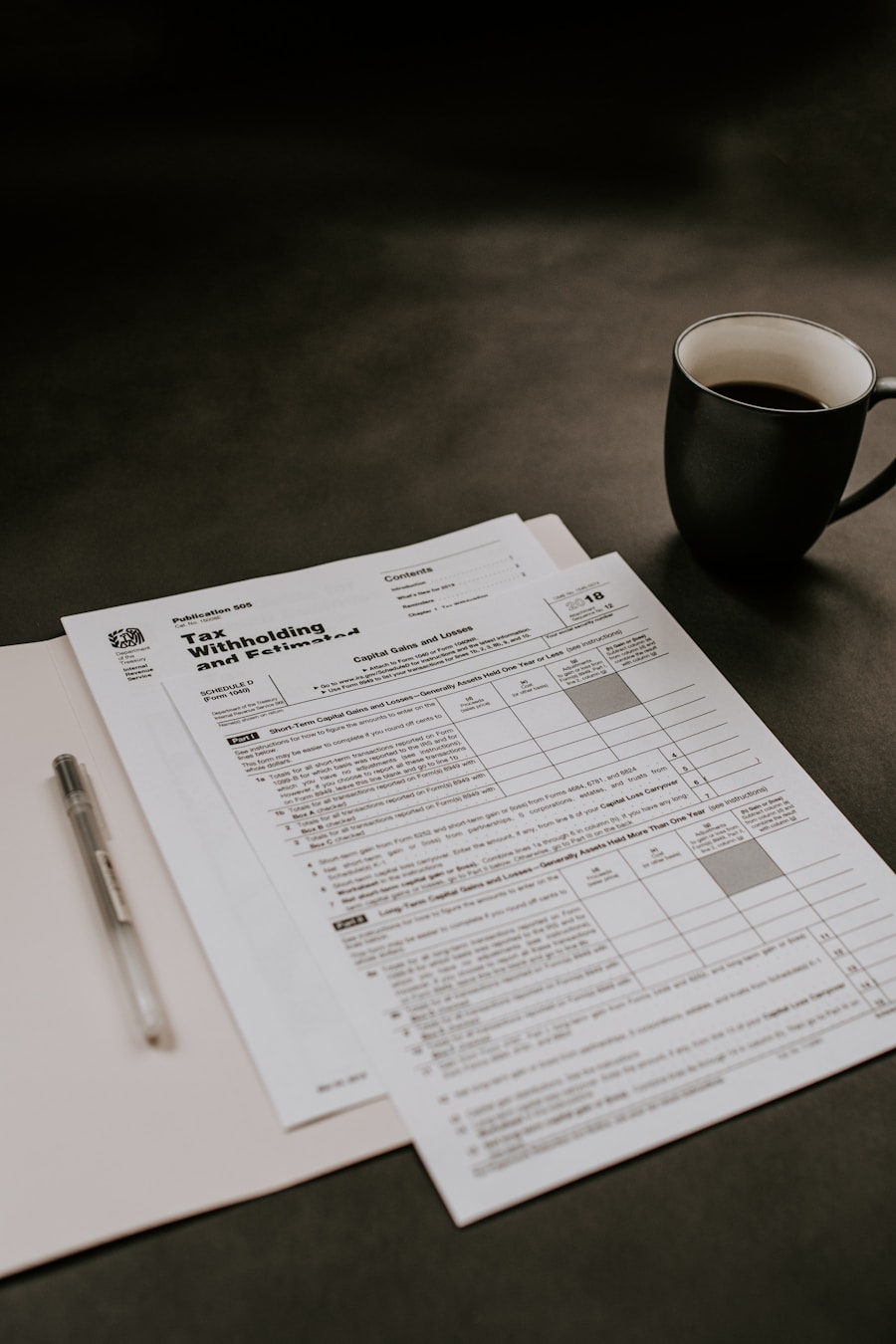
Tax planning is an ongoing process that should be integrated into your overall business strategy. As you look ahead, consider how changes in your business operations or personal circumstances might affect your tax situation in the coming years. For instance, if you anticipate significant growth or plan to hire additional employees, it’s wise to consult with a tax professional about how these changes could impact your tax obligations.
Additionally, staying informed about potential changes in tax legislation is crucial for effective planning. Tax laws can evolve based on political shifts or economic conditions, so being proactive in understanding these changes will help you make informed decisions for your business’s future. By incorporating tax planning into your overall strategy, you can position yourself for success while minimizing potential liabilities.
Resources for Small Business Tax Preparation
Fortunately, there are numerous resources available to assist small business owners with tax preparation. The IRS website offers a wealth of information tailored specifically for small businesses, including guides on various forms and publications detailing deductions and credits available to you. Additionally, local Small Business Development Centers (SBDCs) often provide free or low-cost workshops on tax preparation and financial management.
Online platforms also offer valuable tools for small business owners looking to simplify their tax preparation process. Accounting software like QuickBooks or FreshBooks can help automate record-keeping and generate reports that make filing easier. Furthermore, forums and online communities dedicated to small business owners can provide support and insights from fellow entrepreneurs who have navigated similar challenges.
In conclusion, understanding small business tax preparation is essential for maintaining compliance and optimizing financial health. By organizing your finances effectively, leveraging available deductions and credits, and considering whether to hire a professional or go the DIY route, you can navigate the complexities of taxes with greater confidence. Implementing proactive strategies and avoiding common mistakes will further enhance your ability to manage taxes successfully while planning for the future of your business.
With the right resources at your disposal, you can turn what may seem like an overwhelming task into an opportunity for growth and success.
If you are a small business owner looking to improve employee morale and productivity, you may want to consider implementing an employee recognition program. Recognizing and rewarding your employees for their hard work can go a long way in creating a positive work environment. In addition to focusing on your employees, it is also important to pay attention to your online presence. Check out this article on what SEO is to learn how to improve your website’s visibility and attract more customers.