Planning A Wedding Everyone Will Remember
Marriage is a significant commitment and, for many couples, a once-in-a-lifetime celebration. Thoughtful planning helps the day feel effortless, personal, and welcoming for everyone attending. Use the ideas below to shape a wedding that reflects your relationship while staying practical about time, costs, and logistics.
A wedding is both a celebration and the start of a lifelong partnership. By planning carefully, communicating expectations with vendors, and focusing spending on what you value most, you can create a day that feels meaningful, organized, and memorable for you and your guests.
Set Priorities and Build a Realistic Plan
Start planning by listing what matters most to you, in priority order. For some couples, exceptional food and hospitality are essential; for others, it is live music, photography, or an impressive venue. Once priorities are clear, you can allocate funds accordingly and avoid overspending on areas that do not truly enhance your experience.
TIP! Consider getting married outside peak wedding season. In many markets, late spring through early fall is the most expensive period, and selecting an off-season date can broaden venue availability and reduce costs for vendors.
Review each component of the day—from ceremony timing to transportation—to reduce surprises. A detailed timeline shared with vendors and key family members helps everyone stay aligned. If you can, appoint a point person (planner, coordinator, or trusted friend) to handle issues discreetly so you are not pulled into logistics during the celebration.
Budgeting Strategies and Practical Cost Controls
TIP! Bringing in food or assembling items yourself for the reception? Wholesale stores can significantly reduce costs for beverages, snacks, and paper goods. Confirm in advance whether your venue allows outside catering and whether they require licensed vendors.
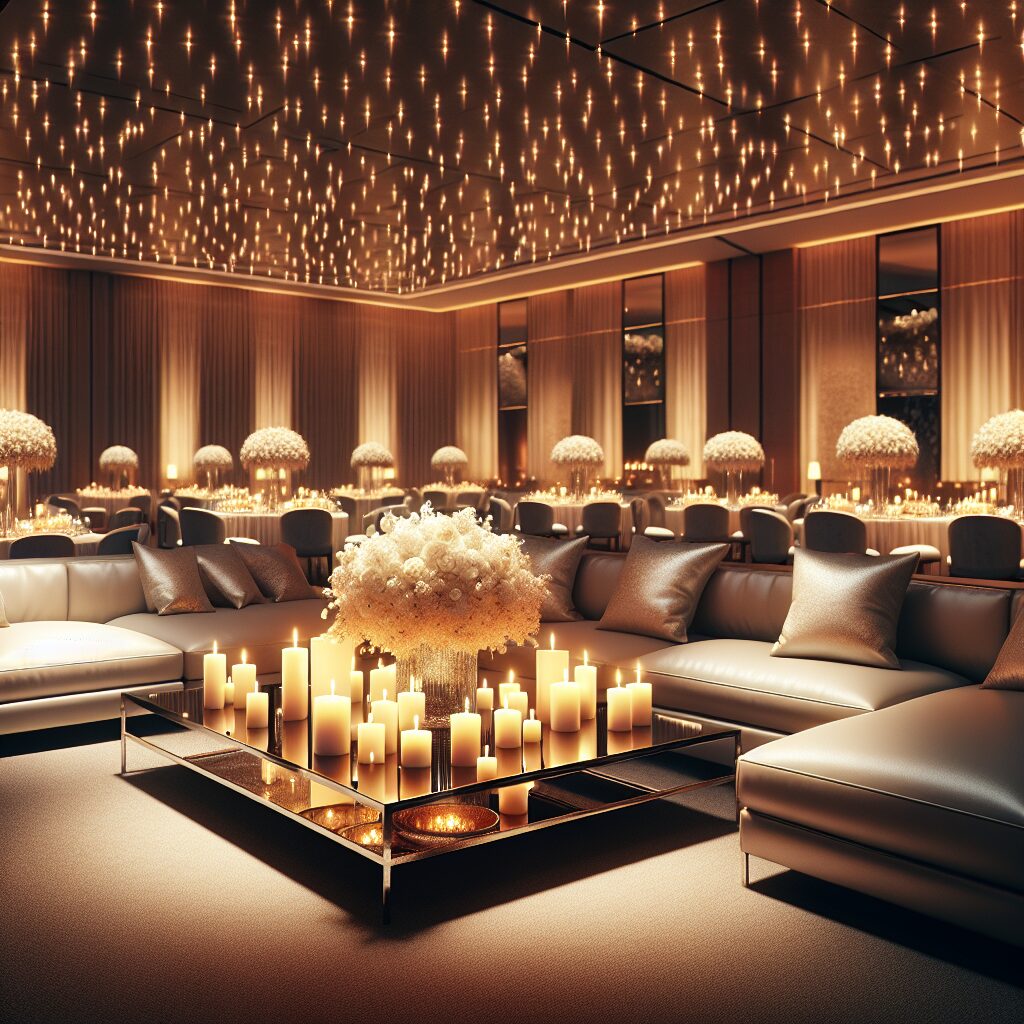
If your reception does not include a full dinner, you can sometimes reduce costs by using fewer dining tables and allocating part of the budget to comfortable furniture and social spaces. Lounge chairs, chaises, and sectional seating encourage conversation and give guests a break from the dance floor. Arrange seating in small groupings to support interaction and maintain good flow through the room.

Attire, Fittings, and Personal Care
Buying a wedding gown online can reduce expenses, but plan ahead. Order early enough to allow for shipping delays, returns, and alterations. Alterations can easily cost as much as (or more than) the dress itself, especially for hems, bust adjustments, and custom detailing, so include them in your budget from the start. If possible, schedule a fitting timeline—first fitting, second fitting, final fitting—so you are not rushed close to the wedding date.
Avoid taking your wedding dress home too early, even if it is paid for. At home it can wrinkle, absorb odors, or be damaged. Most bridal shops can store the gown properly and keep it in protective packaging. If you must store it yourself, use a breathable garment bag, keep it away from sunlight and moisture, and avoid hanging heavy dresses by delicate straps.
TIP! Avoid extreme dieting to fit into your dress. Rapid weight loss can lead to dehydration, dizziness, and stress. Aim for steady, healthy habits and schedule fittings close enough to the wedding date to accommodate minor changes.
TIP! Brides with sensitive skin should begin a gentle skincare routine well ahead of the wedding day to reduce acne, irritation, or breakouts. Patch-test new products, avoid harsh last-minute treatments, and consider consulting a dermatologist if you are prone to flare-ups.
Design and Décor That Feels Personal
Choose decorations that reflect your personality and your partner’s. Rather than selecting a theme solely because it is trendy, consider details that tell your story: colors inspired by meaningful places, table names that reference shared memories, or signage that highlights the milestones of your relationship. Cohesive décor does not have to be elaborate; repeating a few elements consistently (color palette, textures, lighting style) is often more effective than trying to do “everything.”
For a nontraditional bouquet, consider accents such as rhinestones, crystals, or other gems. Heat-fixed or adhesive crystals can add sparkle, and a meaningful piece of jewelry (such as a family heirloom charm) can serve as a subtle “something borrowed.” Keep the look cohesive by matching the embellishments to your attire and accessories in cut, color, and scale so the bouquet complements rather than competes with your overall styling.
Photography and Lighting for Lasting Memories
Photography is one of the most enduring investments of the day, since these images become your long-term record of the celebration. Select a professional whose portfolio matches the style you want (classic, documentary, editorial, moody, or bright and airy). Ask about full galleries—not just highlights—so you can assess consistency in different lighting. Consider requesting a short “must-have” list (family groupings, key moments) while still allowing space for candid storytelling. For planning guidance on questions to ask, the Professional Photographers of America offers helpful resources for evaluating professional services.
TIP! Your wedding photos become lasting memories. Hire a professional who can document the day comprehensively—even if it means budgeting a little more—so key moments and candid interactions are captured reliably.
Confirm whether the reception venue offers adjustable lighting. The ability to dim lights for dancing, brighten them for speeches, or spotlight the couple for entrances can dramatically improve ambiance and photos. If the venue has restrictions, consider supplemental lighting such as uplighting, pin spots for centerpieces, or a softly lit lounge area for guests who prefer a quieter space.
Food, Flow, and Guest Comfort
If you are serving multiple courses, keep guests comfortable between courses with small table snacks such as sweet bite-size treats, nuts (with allergy-aware labeling), or color-coordinated candies. This is especially helpful when speeches or transitions extend the meal timeline. If you offer crackers or bread, pair them with simple spreads or dips to make them feel intentional rather than like an afterthought.
Music and Reception Atmosphere
Work closely with your DJ or band to shape the mood of the reception. Share a “must-play” list, a “do-not-play” list, and any songs you prefer to avoid due to personal associations. If you want a certain tone—elegant, high-energy, family-friendly—say so clearly. It also helps to specify whether you want guest requests accepted and whether the DJ should make announcements or keep commentary minimal.
TIP! Music sets the tone of the reception. Choose a DJ or band that understands your preferred style, knows what you do not want played, and can read the room while respecting your guidelines.
Outdoor Weddings and Weather Planning
If you are planning an outdoor wedding, always have a clear backup plan in case of bad weather. Options include renting a tent with sidewalls, reserving an indoor room on-site, or choosing a venue that offers both indoor and outdoor settings. Also plan for guest comfort: shade on hot days, heaters on cool evenings, and stable walking surfaces (mats or planks) to prevent mud and protect heels.
Inform your caterer that the reception will be outdoors. Some foods spoil quickly in heat or are difficult to serve in wind. Covered displays, timed service, and appropriate temperature control are essential. Ask about safe holding temperatures, covered beverage stations, and whether a portable refrigerator or insulated coolers are needed to keep drinks chilled.
Blending Families, Traditions, and Cultures
If the couple’s families come from different cultural backgrounds, incorporate traditions from both sides in a way that feels respectful and balanced. This may include foods, music, attire, ceremonial rituals, or décor elements. Consider adding brief explanations in your program or having the officiant share context so guests understand and appreciate the meaning.
Preparing for Marriage and the Honeymoon
While wedding planning focuses on the event, remember that choosing a spouse is the most important decision in the process. Avoid rushing major relationship decisions due to deadlines or external pressure. Many couples find it helpful to discuss values and practical expectations—finances, family boundaries, future goals, and conflict style—well before the wedding day. Writing down what you admire in your partner, and what you may need to navigate together, can clarify what matters most and encourage constructive conversations.
When planning your honeymoon, think carefully before turning it into a larger family trip. Some couples enjoy traveling with relatives and may save money through group rates or longer stays, but others prefer privacy after the wedding. If you do combine trips, consider separate accommodations or a “shared first half, private second half” approach to protect the couple’s downtime.