
Welcome to the complex yet rewarding realm of photography. Upon entering this field, you may feel overwhelmed by the sheer volume of techniques, terminologies, and equipment options available. Because photography is an inherently subjective pursuit, identifying a clear starting point is often the most difficult step. Review the following suggestions to establish a technical foundation that allows your creativity to flourish.
One fundamental principle for novice photographers is to maintain simplicity when attempting to capture a fleeting moment. A common misconception is that producing a spectacular image requires the manual adjustment of numerous settings, such as white balance, saturation, or complex motion tracking. Modern camera processors are highly capable; therefore, over-manipulating settings before a shot can often lead to missed opportunities rather than improved image quality. When prioritizing the capture of a decisive moment, keep your exposure settings straightforward. It is possible to capture professional-quality images without manually altering color profiles or shutter speeds for every frame. Focus on composition and lighting, allowing the camera’s metering system to handle the technical variables.
Selecting the Proper Equipment
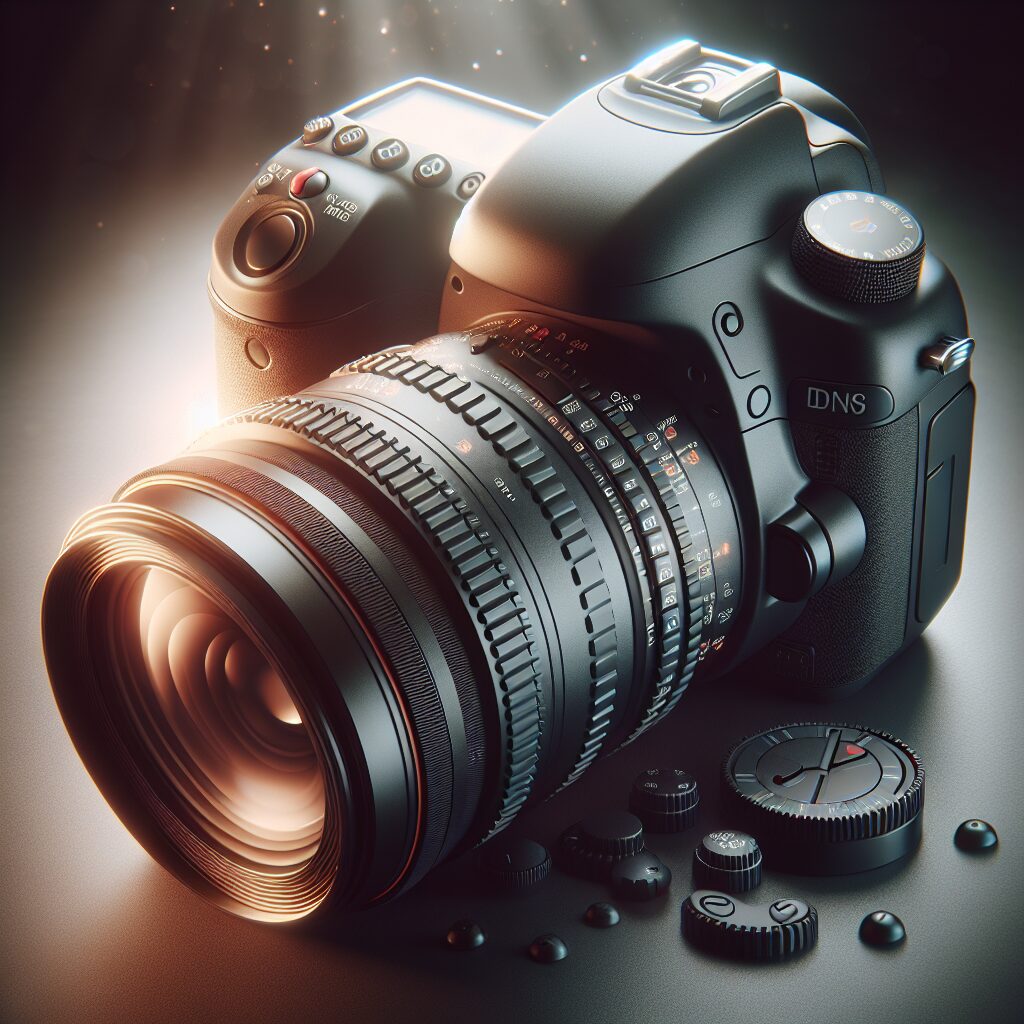
While creativity is paramount, having the correct tools provides a significant advantage. A Digital Single-Lens Reflex (DSLR) or a modern mirrorless camera is an essential tool if you seek to capture professional-grade photographs or seriously embrace the art of photography. These cameras offer the manual controls and sensor capabilities necessary to manage exposure and image quality effectively, far surpassing the limitations of standard point-and-shoot devices or smartphones.
Mastering Camera Modes and Shutter Speed
To control your equipment effectively, you must understand your camera’s shooting modes, typically indicated on the dial by the letters P, A, S, and M. The “P” (Program) setting is an excellent starting point for beginners. In this automatic mode, the camera calculates both the shutter speed and aperture for you. If you are unsure which settings to apply in a dynamic environment, rely on the “P” setting to ensure a balanced exposure.
Once you are comfortable with basic operation, you should graduate to “S” or “Tv” (Shutter Priority) mode to specifically control motion. Shutter speed determines whether you freeze a fast-moving subject or capture motion blur to imply speed. Shutter Priority allows you to manually set the speed—for example, selecting 1/1000th of a second to freeze a sprinter, or 1/15th of a second to blur a waterfall—while the camera automatically adjusts the aperture. According to Adobe’s guide on photography basics, mastering these priority modes is a crucial step toward full manual control.
Optimizing Composition and Aperture
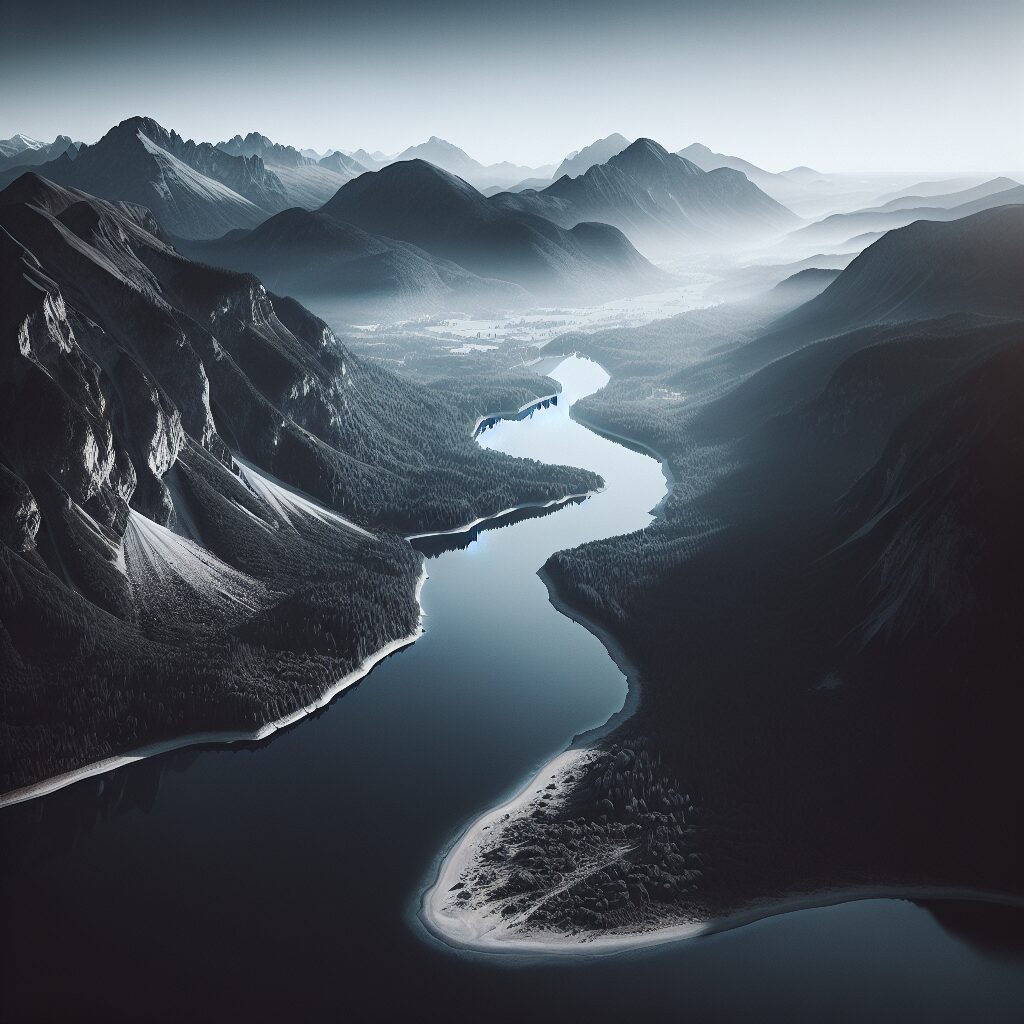
While shutter speed controls motion, aperture controls depth of field, which dictates how much of the image is in focus. This is particularly vital for landscape photography. Strive to create a palpable sense of depth whenever you are shooting scenery. To achieve a deep depth of field—where the image remains sharp from front to back—adjust your aperture to a smaller setting (a higher f-number). For full-frame cameras, an aperture of f/16 is generally effective, while standard digital sensors (APS-C or Micro Four Thirds) often yield the sharpest results around f/8, as this balances depth of field with the risk of lens diffraction.
Furthermore, do not neglect the immediate foreground, as this is a frequent error made by novice photographers. A compelling landscape requires a layered composition. Frame your shot in such a way that the foreground texture or subject matter is as integral to the image as the background scenery. To prevent images from appearing flat, introduce scale by including a distinct object or person in the picture’s foreground. This technique anchors the viewer within the scene and provides a pathway for the eye to travel through the photograph.
Conversely, when photographing people, the goal is often to isolate the subject rather than maximize depth. Your subject will stand out best against a background that is softly blurred, an effect known as bokeh. If the background is fully in focus, it can detract from your subject, making it difficult to maintain the viewer’s attention. To achieve this isolation, use a wide aperture (a low f-number) and ensure there is significant distance between the subject and the background.
Becoming a knowledgeable photographer opens up limitless artistic possibilities. By understanding technical elements like shutter speed, aperture, and depth of field, you move beyond simple snapshots to creating deliberate imagery. The creative potential is endless once you master the tools of the trade, allowing you to produce work that suits every critic and personal preference.