How to Read a Profit and Loss Statement
How to Read a Profit and Loss Statement?
Profit and loss statements give you a detailed overview of a company’s financial health, from revenue to expenses. You can use them to optimize business costs and identify sales trends. However, many business owners still don’t know how to understand such financial documents. This article guides you on how to read a profit and loss statement and the mistakes to avoid.
How to Read a Profit and Loss Statement?
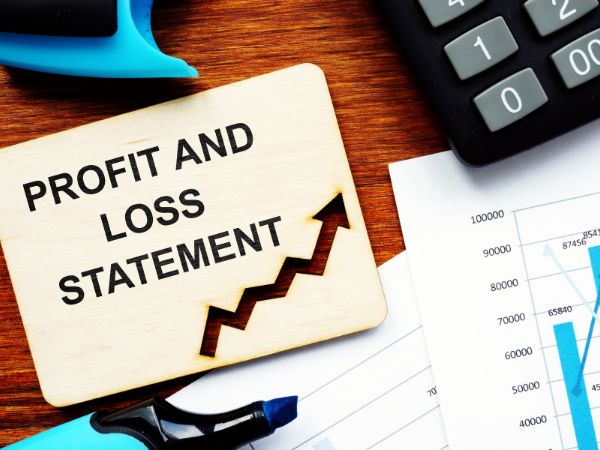
Reading a profit and loss statement involves understanding financial terms such as gross profit, turnover, and operating expenses. Let’s discuss these in detail:
Gross Profit
At the top of your profit and loss statement, you will see the business’s overall revenue and gross profit. Revenue is the total business earnings, and after deducting the overall cost of goods sold (COGS), the remaining amount is your gross profit. It’s a key metric that helps you evaluate the company’s production efficiency and pricing strategy. To calculate the exact gross profit, you can use the following formula:
- Gross Profit = Total Revenue – COGS
Operating Expenses
Operating expenses are actually the recurring costs associated with the day-to-day tasks of your business. They include rent, utilities, equipment, insurance, payroll, salaries, and research and development funds. Many people often confuse operating expenses with capital expenses when learning how to read a profit and loss statement.
However, they differ, as the latter involves costs that help acquire and upgrade assets over time. Here’s how you can calculate your operating expenses:
- Operating Expenses = Rent + Salaries + Utilities + Marketing + Insurance + Office Supplies
Net Profit
Net profit is the amount your business is left with after excluding operating expenses, gross profit, and all taxes. Moreover, you should also subtract other expenses, including amortization, depreciation, and non-operational costs. It’s an important metric that helps you assess the financial health of your business. To calculate your net profit, you can use the given formula:
- Net Profit = Gross Profit – Operating Expenses – Interest – Taxes
Mistakes to Avoid in a Profit and Loss Statement
When you learn how to read a profit and loss statement, you can analyze your company’s financial stability and make smart choices. Nonetheless, to ensure accuracy in this document, here are some common P and L statement mistakes and how to avoid them:
- Incorrect Revenue Reporting: Many businesses record revenue incorrectly, often before services or products are provided to end customers. As a result, they end up with a false financial report. To avoid this, you should use accounting tools that efficiently and automatically track your income.
- Ignoring Seasonal Variations: Some businesses fail to consider seasonal variations. For instance, you might get more sales during holidays while revenue is low in the off-season. Ignoring these typical patterns can result in poor budgeting decisions. So, you must review your profit and loss statements regularly and compare changes across different periods.
- Not Tracking Accounts Payable: If your accounts payable, whether it’s an unpaid bill or outstanding expenses, aren’t recorded properly, your P & L statement doesn’t reflect your true financial health. That’s why you should pay all bills and settle all vendor payments on time.
- Misclassification of Expenses: Another common mistake is placing expenses in the wrong categories. For instance, you may record a long-term expense under a regular purchase, completely distorting your profit calculations. Use accounting software and review financial reports to correct misclassifications and get a clear picture of your company’s performance.
Conclusion
Once you learn how to read a profit and loss statement, you can work on improving and maintaining good business financial health. Just don’t read your P and L statements once a year at tax time; rather, review them monthly and fix issues promptly.