
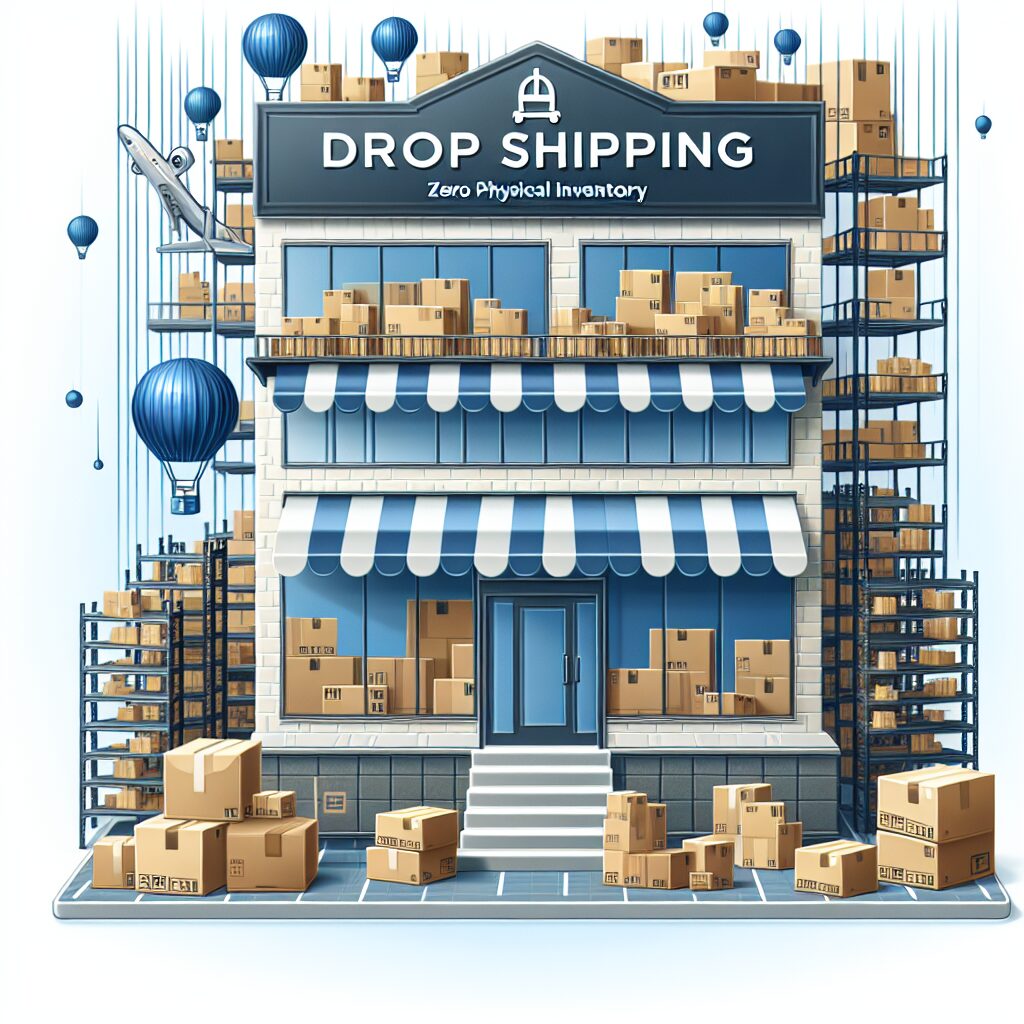
The traditional path to e-commerce entrepreneurship is often obstructed by significant logistical and financial hurdles, most notably substantial initial capital investment and the complexities of inventory management and storage. These barriers can deter aspiring merchants from entering the online marketplace. This article examines the drop shipping model as a strategic approach to circumventing these traditional impediments.
Functioning as a fulfillment method, drop shipping allows the retailer to transfer customer orders directly to a supplier or manufacturer, who then ships the product to the end consumer. This structure fundamentally decouples sales from inventory handling, enabling a business model with remarkably low overhead. The retailer’s role pivots to marketing, customer service, and brand cultivation, rather than warehousing and logistics.
While offering a lowered barrier to entry, the model introduces distinct operational considerations, including supplier reliability and quality control. This analysis will provide a formal examination of the drop shipping framework, evaluating its viability as a mechanism for overcoming the classic barriers to e-commerce establishment.
The Traditional E-commerce Barrier: Inventory and Capital

Given the drop shipping model’s promise to bypass core logistical challenges, it is essential to first understand the precise nature of the obstacles it seeks to overcome. What, specifically, makes the conventional path to e-commerce so daunting for new entrants? The answer lies in two deeply intertwined burdens: the physical management of goods and the substantial financial commitment required before the first sale is ever made.
The Burden of Storage and Fulfillment
Beyond the digital storefront, traditional e-commerce is a deeply physical endeavor. The retailer assumes full responsibility for the entire supply chain post-procurement, a reality that introduces significant operational complexity and risk.
Firstly, securing storage space—whether a dedicated warehouse or a section of a home—imposes immediate constraints. This necessitates not only rent but also organization systems, inventory tracking software, and potentially staffing for management. The logistical demands escalate with order fulfillment: packaging, labeling, and coordinating with multiple shipping carriers. Each step represents a direct cost in time, capital, and operational focus that diverts resources from core business activities like marketing and customer experience.
Furthermore, inventory management itself is a high-stakes balancing act. As noted by logistics expert James A. Cooke, “Inventory is like water in a pipe; too little creates drought, too much creates pressure and waste.” This metaphor highlights the critical risks:
- Stockouts: Running out of popular items leads to lost sales and damaged brand reputation.
- Deadstock: Overestimating demand ties up capital in unsold goods that may become obsolete or require deep discounting.
- Perishability & Damage: Physical inventory is subject to spoilage, obsolescence, and loss from handling or environmental factors.
These challenges transform inventory from an asset into a potential liability, demanding constant vigilance and sophisticated forecasting that new entrepreneurs often lack.
The High Cost of Entry
Closely linked to inventory woes is the formidable financial barrier. Launching a conventional online store requires a substantial upfront capital outlay long before any revenue is generated, creating a prohibitive threshold for many.
The initial investment extends far beyond website development and marketing. A significant portion is consumed by bulk inventory purchases, which are necessary to secure wholesale pricing and ensure product availability. According to data from the U.S. Small Business Administration, inventory often constitutes the largest single start-up cost for retail ventures. This capital is immediately illiquid, locked in products that may take months to sell. Additional pre-launch expenditures include:
- Warehouse security deposits and shelving.
- Fulfillment equipment and packaging materials.
- Business insurance for stored goods.
- Initial freight costs for bulk shipments from manufacturers.
This financial model creates a high-risk, high-overhead structure where cash flow is perpetually strained. Profit must first cover these sunk costs before realizing net gain, and scaling the business requires repeatedly committing large sums to purchase more inventory. This cycle places immense pressure on early sales performance and limits agility, as pivoting to different products requires disposing of existing stock and funding new purchases. The traditional path, therefore, not only demands significant capital but also amplifies financial risk at the most vulnerable stage of a business’s life cycle.
Drop Shipping Defined: A Streamlined E-commerce Model
Having established the formidable nature of traditional inventory and capital barriers, a logical question arises: is there a structural alternative that reconfigures this high-risk equation? The drop shipping model presents precisely such an alternative, not merely as a different fulfillment choice but as a fundamentally distinct business architecture. This section delineates its operational mechanics and core benefits, clarifying how it redefines the pathway to e-commerce entry.
The Operational Workflow of a Drop Shipping Business
To understand its transformative potential, one must first trace the streamlined sequence of a drop shipping transaction. This process eliminates the merchant’s direct physical interaction with products, creating a digital-centric workflow.
The cycle begins when a customer places an order and makes payment on the retailer’s website. Critically, the retailer has never purchased or stored this item. Upon receiving the order, the retailer then purchases the product from their third-party supplier—often at a wholesale price—and provides the customer’s shipping details. The supplier subsequently fulfills the order directly, packaging and shipping it to the end consumer. The retailer’s profit is the difference between the retail price charged to the customer and the wholesale cost paid to the supplier, minus any transactional fees.
This workflow hinges on seamless backend integration. As e-commerce analyst J.C. Dean notes, “The efficiency of a drop shipping operation is directly proportional to the quality of information flow between storefront and supplier.” Modern tools often automate this communication, but the retailer remains ultimately responsible for ensuring accuracy. The final, crucial touch is branded fulfillment; while the supplier handles logistics, the shipment should appear to come from the retailer, often through the use of customized packing slips or labels, preserving the illusion of a traditional inventory model for the customer.
Key Advantages for the Aspiring Merchant
This operational shift from physical handler to digital intermediary unlocks several compelling advantages that directly counter the barriers previously outlined. The benefits extend beyond simple convenience to encompass financial and strategic flexibility.
The most significant advantage is the dramatic reduction in startup and operational capital. Since products are only purchased after a customer’s order is secured, the model eliminates the need for large upfront inventory investment. This transforms a traditionally capital-intensive venture into one with remarkably low overhead. Financial resources can instead be allocated to website design, digital marketing, and customer acquisition—activities that directly drive growth.
Furthermore, the model confers exceptional operational agility. Retailers can:
- Offer an expansive product catalog without the risk of holding dead stock, as they can list any item their suppliers carry.
- Test new products or niches with minimal financial risk, allowing for rapid market validation.
- Operate the business from anywhere with an internet connection, as there is no physical inventory to manage.
This structure also mitigates the burdens of scaling. In a traditional model, growth necessitates proportional increases in warehouse space, staff, and inventory capital. With drop shipping, scaling primarily requires enhancing marketing efforts and managing supplier relationships, as the supplier’s infrastructure bears the brunt of increased order volume. Consequently, the merchant can focus on core competencies like brand cultivation and market strategy, building a business that is inherently more adaptable and resilient in its early stages.
Launching Your Drop Shipping Business: A Step-by-Step Guide
Armed with an understanding of the model’s theoretical advantages, the aspiring merchant faces a practical question: how does one translate this streamlined architecture into a functioning enterprise? The transition from concept to revenue-generating store requires meticulous execution in three critical domains: supplier partnerships, digital storefront creation, and customer-centric operations.
Sourcing and Vetting Reliable Drop Shipping Suppliers
The entire drop shipping edifice rests upon the foundation of supplier relationships. Identifying and securing partnerships with credible suppliers is the single most crucial operational task, as their performance directly dictates your customer’s experience and, by extension, your brand’s reputation.
Begin by sourcing potential partners through targeted searches, leveraging wholesale directories like SaleHoo or Worldwide Brands, or directly contacting manufacturers to inquire about drop shipping programs. A common pitfall is partnering with fraudulent middlemen or unreliable companies. To mitigate this, implement a rigorous vetting process. Key criteria should include:
- Transparent Fee Structure: Be wary of exorbitant monthly fees. Reputable suppliers typically charge per-order fees or operate on a pure wholesale cost model.
- Product Quality and Availability: Request samples to personally assess quality. Inquire about real-time inventory data feeds to prevent selling out-of-stock items.
- Communication and Integration: Test their responsiveness and confirm they support automated order processing via API or a straightforward manual system.
As logistics consultant Maria Chen advises, “A supplier is not a vendor; they are a silent business partner. Vet them as you would a co-founder for their reliability and communication.” This due diligence is non-negotiable, as supplier failures in fulfillment, shipping times, or product quality become failures attributed directly to your store.
Building and Optimizing Your E-commerce Storefront
With a vetted supplier catalog in hand, the next phase involves constructing the digital interface where transactions occur. This storefront must do more than just list products; it must build trust, convert visitors, and establish a distinct brand identity separate from the supplier.
Select a robust e-commerce platform such as Shopify, WooCommerce, or BigCommerce, prioritizing features that facilitate drop shipping integrations. Critically, avoid using generic, supplier-provided store templates, as duplicate content across the web severely hampers search engine visibility. Instead, invest in custom product descriptions, high-quality original imagery (or professionally curated supplier images), and a cohesive site design that reflects your brand’s value proposition.
Optimization extends to technical and trust elements. Ensure mobile responsiveness, fast loading speeds, and a seamless checkout process. Displaying trust seals (e.g., SSL certificates, payment security badges) and clear contact information, including a business phone number, can significantly reduce cart abandonment by alleviating customer apprehension. The goal is to create a self-contained shopping experience that obscures the behind-the-scenes fulfillment mechanics, presenting a facade of a fully integrated retail operation.
Managing Orders and Customer Relationships
Once the store is live, operational focus shifts to the ongoing cycle of order processing and customer engagement. Here, the retailer’s role as an intermediary becomes most active, balancing automated efficiency with personalized service.
Establish a streamlined workflow for order management: upon receiving a customer order and payment, promptly submit the purchase order to your supplier with accurate shipping details. Utilize technology to automate this where possible, but maintain a manual review process to catch errors. A critical responsibility is ensuring branded fulfillment; coordinate with your supplier to use your store’s name on packing slips and avoid including any wholesale pricing information.
Proactive communication is paramount. Since you do not control the warehouse, you must diligently track order fulfillment and shipping status from your supplier to provide customers with timely updates. This transparency manages expectations and builds trust. Furthermore, cultivate the customer relationship beyond the single transaction. Tactics include:
- Building an email list for post-purchase follow-up and nurturing, transforming one-time buyers into a repeatable asset.
- Providing exceptional, accessible customer service to handle inquiries and issues, thereby owning the resolution process even if the root cause was a supplier error.
- Gathering feedback to continuously refine your product selection and store experience.
Ultimately, successful management in a drop shipping model means acting as the accountable face of the business while orchestrating the unseen logistical chain, ensuring the customer remains delightfully unaware of the complexity behind their purchase.
Critical Strategies for a Sustainable Drop Shipping Business
While the operational blueprint for launching a drop shipping venture is clear, long-term success demands moving beyond mere setup. The model’s low barrier to entry creates a crowded marketplace, where sustainability hinges on strategic foresight and meticulous execution. How, then, does a merchant transform a functional store into a resilient, growing business? The answer lies in proactively navigating inherent risks, mastering conversion psychology, and cultivating a loyal customer base.
Avoiding Common Pitfalls and Scams
The accessibility of drop shipping also makes it a fertile ground for operational missteps and outright fraud. A strategic approach requires recognizing and evading these common threats from the outset.
One of the most pervasive dangers is partnering with unreliable or fraudulent suppliers. These entities often lure newcomers with promises of ultra-low prices or vast catalogs. Key red flags include demands for exorbitant upfront membership fees, a complete lack of verifiable contact information, or refusal to provide product samples. As cautioned by industry analyst J.C. Dean in his examination of the model, an unvetted supplier can single-handedly destroy a brand’s reputation through poor quality or non-fulfillment. Furthermore, merchants must be wary of retail arbitrage traps—situations where a “supplier” is merely another retailer drop shipping from a platform like AliExpress at a marked-up price, creating unsustainable margins and extreme shipping delays.
Beyond supplier issues, operational pitfalls abound. These include:
- Neglecting to calculate true profit margins by overlooking per-order fees, payment processing costs, and potential return shipping liabilities.
- Failing to establish clear protocols for returns and customer service disputes, leaving the merchant caught between an unhappy customer and an uncooperative supplier.
- Building a store with duplicate, supplier-provided content, which severely hampers search engine optimization (SEO) and brand distinctiveness.
Proactively structuring agreements and processes to address these points is not optional; it is the foundation of operational integrity.
Building Trust and Driving Conversions
With a secure operational backend, the strategic focus shifts to the frontend: convincing visitors to become customers. In an environment where the merchant is physically distant from the product, building digital trust becomes the primary currency for driving conversions.
Trust is built through transparency and professional polish. Every element of the storefront must communicate reliability. This includes using high-quality, original imagery (or professionally curated photos), writing detailed and unique product descriptions that manage expectations, and providing comprehensive policies for shipping, returns, and contact. Displaying recognized security badges and trust seals from providers like Norton or McAfee at checkout can significantly reduce cart abandonment by alleviating security concerns.
Further conversion optimization involves strategic positioning. Since competing on price alone with giants like Amazon is futile, successful drop shippers often compete on curation and context. This means creating a niche store that solves a specific problem or caters to a particular passion, supported by valuable content like buying guides or usage tutorials. As noted by marketing expert Maria Chen, “In drop shipping, your value isn’t in the warehouse; it’s in the narrative you build around the product.” Additionally, incorporating clear calls-to-action, ensuring mobile-first design, and streamlining the checkout process to as few steps as possible are technical necessities for converting interest into sales.
The Importance of Customer Retention and List Building
Acquiring a customer is often the costliest part of the e-commerce equation. Therefore, the most potent strategy for sustainable growth is transforming a one-time purchaser into a repeat buyer. This shifts the business from a constant, expensive acquisition cycle to a more stable model fueled by customer lifetime value (CLV).
The cornerstone of retention is an intentional email list strategy. From the moment of first contact, the goal should be to secure permission for ongoing communication. Offering a lead magnet—such as a discount code, niche-specific guide, or access to exclusive content—in exchange for an email address initiates this relationship. Post-purchase, automated email sequences can deliver order confirmations, shipping updates, and later, requests for reviews or related product recommendations.
This owned marketing channel is invaluable because it allows for direct, personalized engagement at a low cost. Tactics for effective list nurturing include:
- Segmenting your audience based on purchase history or interests to send highly relevant offers and content.
- Focusing on providing value beyond promotions, such as useful tips or community stories, to build a brand relationship rather than just a transactional one.
- Using the list to gather feedback on products and customer experience, creating a loop of continuous improvement.
Ultimately, a well-maintained email list transforms customers from a one-time revenue source into a defensible business asset, insulating the store from market volatility and creating predictable revenue streams that are critical for long-term planning and stability.
A Viable Pathway Through Traditional Barriers
In summary, the drop shipping model presents a compelling architectural alternative to traditional e-commerce, effectively displacing capital and inventory risk from the merchant to the supply chain. By decoupling sales from physical fulfillment, it lowers the formidable barriers to entry, allowing entrepreneurs to focus resources on brand cultivation, marketing, and customer relationships. However, this operational leverage introduces a distinct set of challenges centered on supplier vetting and quality control.
Ultimately, success within this framework is not achieved by merely avoiding traditional logistics but by mastering the art of digital intermediation. The sustainable drop shipping business thrives on strategic supplier partnerships, a trustworthy and optimized storefront, and a relentless focus on converting and retaining customers. It demonstrates that in the modern digital marketplace, agility and customer-centricity can be as valuable as physical assets, offering a validated pathway for aspiring merchants to launch and scale their ventures.
Bibliography
Cooke, James A. “The Rules of Inventory Are Changing.” Supply Chain Quarterly, Q4 2018. https://www.supplychainquarterly.com/articles/1269-the-rules-of-inventory-are-changing.
Dean, J.C. “Is Drop Shipping a Good Business Model?” E-commerce Insights, last modified March 15, 2023. https://www.ecommerceinsights.com/drop-shipping-business-model.
U.S. Small Business Administration. “Fund Your Business.” Accessed April 10, 2023. https://www.sba.gov/business-guide/plan-your-business/fund-your-business.