How to Turn a Hobby into a Business
How to Turn a Hobby into a Business (Step-by-Step Guide)
A hobby usually starts quietly. You do it because it makes you happy or gives you a place to use your ideas. But sometimes, that same hobby can become something people want to buy, follow, learn from, or support. With the right plan, your passion can move from a free-time activity to a real source of income.
In this guide, we discuss how to turn a hobby into a business step by step.
What Does It Mean to Turn a Hobby into a Business?
Turning a hobby into a business means taking something you already enjoy and giving it a more planned direction. It is no longer only something you do in your free time. It becomes something you can offer to other people through a product, service, content, class, or creative skill.
This does not mean the hobby has to become stressful or too serious. It simply means you start treating it with more care and attention.
A Hobby Is Personal
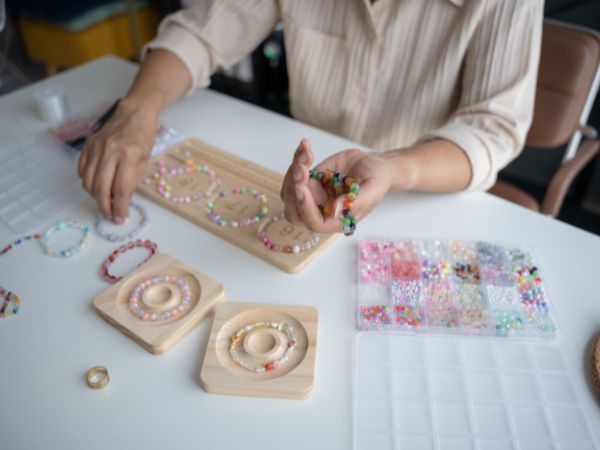
A hobby is usually something you do for yourself. You may bake because it makes you happy, paint because it helps you relax, write because you love sharing ideas, or make handcrafted jewelry because you enjoy creating something by hand. There is no pressure to sell, post, deliver, or meet anyone’s expectations. You can do it whenever you want and in whatever way you like.
A Business Has a Clear Offer
A business needs something clear that people can buy or use. This could be handmade products, digital downloads, blog content, coaching, custom work, lessons, or any service linked to your skill. When you learn how to turn a hobby into a business, you start thinking about what people need and how your hobby can give them real value.
Keep the Enjoyment Behind the Hobby
The best hobby-based businesses still carry the feeling that made the hobby special in the first place. You should not turn your passion into something that drains you. Instead, the idea is to build around it in a smart way, so you can earn from your skill while still enjoying the work you started with.
Signs Your Hobby Could Become a Business
Not every hobby needs to become a business, and that is completely fine. Some hobbies are better kept as personal joys. But sometimes, a hobby starts showing signs that it has real business potential. You may notice that people are interested in what you do or even offer to pay for it before you have officially started selling.
Here are some signs your hobby could become a business:
- People already like what you create: If friends, family, followers, or local customers praise your work, it may mean there is interest beyond your own circle.
- People ask if they can buy from you: This is one of the clearest signs. When someone says, “Can you make this for me?” or “Do you sell these?”, your hobby may already have demand.
- You enjoy doing it again and again: A business needs consistency. If you still enjoy the hobby after doing it many times, it may be strong enough to grow into something more.
- There are others already making money from it: Competition is not always a bad thing. It can show that people are willing to spend money on this type of product, service, or content.
- You can see a clear way to sell it: This could be through social media, a blog, a small online shop, local events, custom orders, or digital products.
If you see a few of these signs, your hobby may be more than a free-time activity. It may be something you can test slowly, without pressure, and then turn into a small business when the time feels right.
Step 1: Choose the Right Hobby to Monetize
The first step is not to pick the hobby that looks the most profitable. It is to choose a hobby that you can enjoy, repeat, improve, and offer to other people in a useful way. Some hobbies feel exciting for a few days, but they become tiring when you have to do them for customers. That is why you should think carefully before turning any hobby into a business.
Before you go all in, it is better to test your idea as a small side hustle first, especially if you are still working another job or studying. This will help you understand what to know before you quit your day job, and give you space to see if people are truly interested.
Product-Based Hobbies
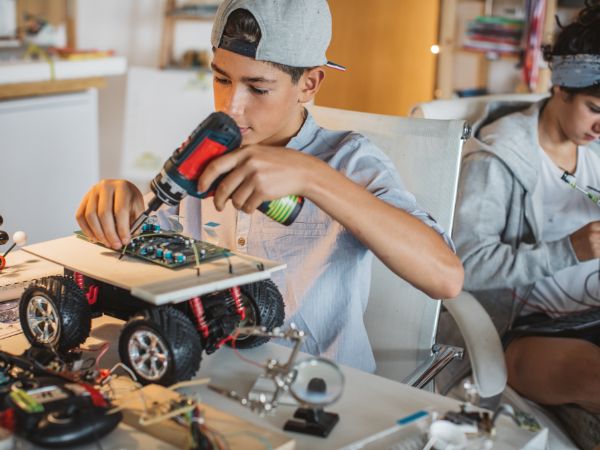
Product-based hobbies are good for people who enjoy making physical or digital items. This can include handmade jewelry, candles, art prints, baked goods, planners, templates, clothing, home decor, or custom gifts.
Service-Based Hobbies
Service-based hobbies are built around a skill you can offer to others. This could include writing, photography, tutoring, coaching, graphic design, social media help, event planning, fitness training, or music lessons.
Content-Based Hobbies
Content-based hobbies are about sharing your knowledge, ideas, or lifestyle with an audience. This can include blogging, YouTube, podcasting, newsletters, or social media pages.
When choosing the right hobby, do not only ask, “Can this make money?” Also ask, “Can I keep doing this with patience and proper interest?” The best way to learn how to turn a hobby into a business is to monetize one that has both personal enjoyment and real value for other people.
Step 2: Research Your Market
Once you choose the hobby you want to monetize, the next step is to understand the market around it. This simply means looking at what people already buy, search for, ask about, or follow online.
See What People Already Like
Start by looking at Etsy, Instagram, TikTok, Pinterest, YouTube, blogs, Facebook groups, and online shops. Notice which products, services, or content get attention. Also, look at the questions people ask and the problems they mention.
Study Others Without Copying
Competitors can teach you a lot. Check their prices, photos, offers, reviews, and content style. The point is not to copy them. The point is to understand what is working and where people still need something better.
To learn how to turn a hobby into a business, you do not need deep business research at this stage. You just need to see if there is real interest in your idea.
Step 3: Define Your Niche
After researching the market, narrow your hobby into a clear niche. A niche helps people understand what you offer and who it is for. For example, “baking” is too broad, but “custom birthday cakes for kids” feels more specific and easier to remember.
Choose a Clear Audience
Think about the people who would care about your hobby the most. Are they parents, students, beginners, pet owners, small business owners, or creative people?
Give Your Hobby a Focus
A focused niche also makes marketing easier because you know what to post, what to sell, and how to speak to your audience. Later, this can help with building an audience around a niche hobby in a better way.
Step 4: Decide What You Will Sell
Once your niche is clear, the next step is to turn your hobby into a real offer. This means deciding what people can actually buy from you.
| Type of Offer | What It Means | Examples |
| Physical products | Items people can touch, use, wear, or gift | Candles, cakes, crafts, art, jewelry, clothing, home decor |
| Digital products | Files or resources that people can download online | Templates, planners, e-books, guides, printables, online lessons |
| Services | A skill you offer directly to clients | Photography, writing, tutoring, coaching, design, and social media help |
| Content-based income | Earning through helpful or entertaining content | Blogs, YouTube, newsletters, affiliate links, sponsorships |
| Custom work | Personalized items or services made for one customer | Custom gifts, portraits, cakes, clothing, and handmade orders |
Start with one clear offer instead of trying to sell everything at once. A simple offer is easier to explain and easier for customers to understand.
Step 5: Test Your Idea Before Going Big
You do not need to launch everything perfectly from day one. Start small and see how people react. Share a sample, take a few custom orders, post your idea online, or offer your service to a small group first.
This will help you learn what people actually like and what they are ready to pay for. Testing first is one of the safest ways to understand how to turn a hobby into a business without wasting money or putting too much pressure on yourself.
Step 6: Set Up a Simple Business Plan
A hobby business does not need a long, complicated business plan. You just need a clear idea of what you are selling, what your goal will be, who it is for, and how you will make money from it.
Know Your Offer
Write down what you will sell first. It could be one product, one service, one digital item, or one type of content. Keep it simple at the start.
Know Your Customer
Think about who would buy from you and why they would care. This makes your message easier to write.
Know Your First Target
Choose one small target, such as getting your first five sales, posting for 30 days, or building your first small audience.
Step 7: Price Your Hobby Business Properly
Pricing can feel awkward when your hobby is personal, but it is one of the most important parts of making the how to turn a hobby into a business plan work. You should not guess a price only because it “feels fair.” If you are selling creative items, learning how to price your handmade or creative products can help you avoid charging too little.
A simple price should include:
- The cost of materials or tools
- Your time and effort
- Packaging or delivery costs
- Platform fees, if you sell online
- A small profit for growth
Fair pricing helps your business stay healthy and also shows that your work has real value.
Step 8: Build Your Brand
Your brand is how people remember your hobby business. It is not only a logo or a pretty color palette. It is the feeling people get when they see your work or buy from you. When learning how to turn a hobby into a business, branding helps your idea look clearer and more trusted.
Start with a simple name, a clear style, and good photos of your work. You can also share your story, because people love knowing the person behind a small business. Keep your message easy to understand, so new visitors quickly know what you offer and why it matters.
Step 9: Use Blogging to Monetize Your Passion
A blog can give your hobby a home beyond quick social media posts. It lets you share your ideas, tips, stories, tutorials, product updates, and honest lessons in one place. If someone searches for help related to your hobby, your blog can bring them to you even when you are not online.
You can later earn from your blog through affiliate links, ads, digital products, sponsored posts, or your own offers. If blogging fits your hobby, learning how to monetize a blog around your passion can open another income path.
Step 10: Choose Where to Sell
Once you know what you are selling, think about where your customers are most likely to find it. You do not need to be everywhere at once. Start with one or two places that fit your hobby, your time, and the way people usually buy that type of offer.
You can sell through:
- Your own website for more control
- Etsy or online marketplaces for handmade products
- Instagram, TikTok, or Facebook for direct buyers
- Fiverr, Upwork, or similar platforms for services
- Local markets, fairs, or small shops for in-person sales
When learning how to turn a hobby into a business, choosing the right selling place can make your first sales feel much easier.
Step 11: Manage Money from the Start
Money can get messy fast, even in a small hobby business. That is why it is better to track things from the beginning instead of waiting until sales grow. When learning how to turn a hobby into a business, money habits matter just as much as creative ideas.
Track What Comes In and Goes Out
Write down every sale, material cost, delivery fee, packaging cost, tool, subscription, or platform fee. This is going to let you see if you are actually making money.
Keep Business Money Separate
Try not to mix personal spending with business spending. Even a separate account or simple spreadsheet can make things clearer.
Save Before You Spend
Do not use every sale right away. Keep some money aside for new materials, taxes, repairs, or slow months.
Step 12: Protect Your Time and Energy
When your hobby becomes a business, it can easily take over your day if you do not set limits. You may feel excited at first, but working all the time can make the hobby feel heavy instead of enjoyable.
Set clear work hours and decide how many orders or projects you can handle each week. It is also okay to say no when something does not fit your time or energy. For more balance, you can also follow work-life balance tips for small business owners and solopreneurs so your business grows without burning you out.
How Long Does It Take to Turn a Hobby into a Business?
There is no fixed timeline because every hobby grows at a different speed. Some people get their first sale in a few weeks, while others need months to understand what people want, improve their offer, and build trust.
How fast it grows can depend on:
- How much time you give it each week
- How clear your product or service is
- How well you understand your audience
- How frequently you share or promote your work
- How quickly you improve after feedback
The better question is not only “How fast can I make money?” It is also “Am I building something people actually want?” Once you know that, you will be able to learn how to turn a hobby into a business, which becomes much easier to plan.
FAQs
Can any hobby become a business?
Not every hobby needs to become a business, but many can if people are willing to pay for the product or service.
Do I need a website to start a hobby business?
A website helps, but it is not always needed at the start. Many people begin with social media or local selling.
How much money do I need to start?
It depends on the hobby. Some businesses need materials and packaging, while others can start with a phone, internet, and basic tools.
When should I register my hobby as a business?
This depends on your location, income, and legal rules. Once sales become regular, it is better to check local business requirements.
What is the easiest hobby to turn into a business?
The easiest option is usually a hobby that already has demand, a low starting cost, and a clear audience.
Conclusion
Learning how to turn a hobby into a business starts with one simple idea, which is to take something you enjoy and build it with care. You do not need to rush or know everything at once. Start small, test your offer, learn from real people, and improve as you go. A hobby can grow into income when it has purpose and a clear plan.