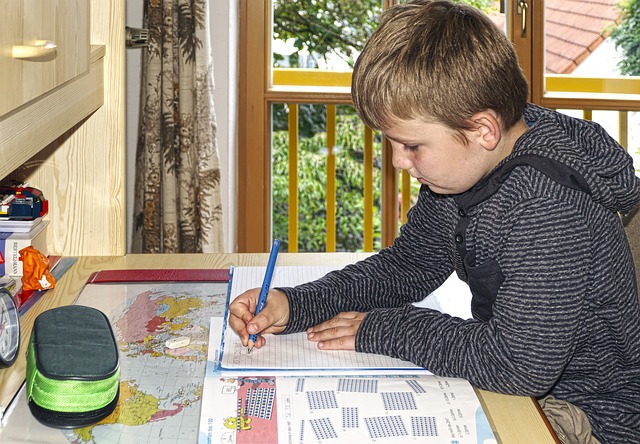
Tips To Help With Your Children’s Homeschooling
Is public school becoming difficult to manage or no longer meeting your child’s needs? You are not alone. Many families explore alternatives when classroom size, safety concerns, academic pacing, or school culture create ongoing stress. Homeschooling can be a practical option, but it works best when you understand the legal requirements, the time commitment, and the day-to-day responsibilities involved.
The guidance below outlines key considerations and actionable strategies to help you get started with confidence and build a homeschooling approach you can sustain over time.
Start With Legal Requirements and Practical Planning
TIP! Before making lesson plans, review your state’s homeschooling laws and reporting requirements. Rules vary widely on attendance, assessments, records, and required subjects.
Understand your legal obligations. What laws are in place in your state regarding homeschooling? Some states require notification, periodic assessments, portfolio reviews, or specific subjects; others provide broad flexibility. Begin by checking your state’s department of education website or a reputable legal summary such as Home School Legal Defense Association (HSLDA). Even when a state offers a set curriculum, you may be responsible for selecting materials, documenting instruction, and maintaining attendance logs. For easier administration and smoother transitions, many families follow the local school calendar, but you may also choose a year-round schedule if permitted.
TIP! Develop a realistic homeschooling budget. Include curriculum costs, supplies, technology, extracurricular fees, and field trips, and set aside a small cushion for unexpected needs during the year.
Build a Sustainable Teaching Routine
Build a sustainable daily rhythm. Allow time for breaks. Children often learn better in shorter, focused blocks than in long stretches of seatwork. Incorporate brief movement breaks, snacks, and outdoor time to reduce frustration and improve attention. For example, try 25–40 minutes of instruction followed by a 5–10 minute break, adjusting to your child’s age and needs. Breaks are not lost time; they support self-regulation, motivation, and retention.
Prepare yourself to teach. Before you start homeschooling, consider attending workshops or online training so you can provide your child with strong instruction. Taking on the role of teacher can feel overwhelming at first, especially when you are also managing household responsibilities. Seminars, curriculum demonstrations, and educator-led webinars can help you choose materials, understand learning differences, and plan effectively. Many parents find practical support through local homeschool co-ops and community education programs that offer group classes, lab days, or electives.
Teach for Understanding, Not Just Completion
Monitor progress without recreating school at home. One advantage of homeschooling is that your child is less likely to “fall through the cracks,” because instruction can be tailored to their pace and learning style. If you are concerned about keeping up with grade-level expectations, use a clear scope-and-sequence, periodic skills checks, or standardized practice assessments. Some school districts or umbrella programs provide guidance or testing options, and many curriculum providers include placement tests. If your child struggles in a specific area—such as reading fluency, writing structure, or math foundations—consider targeted interventions, tutoring, or an evaluation from a qualified professional.
Teach academics through real life. Your lesson plans should be life-applicable. Academic skills are important, but connecting them to everyday tasks makes learning more meaningful and easier to retain. For example, cooking can reinforce fractions and measurement; budgeting can teach percentages and financial literacy; gardening can introduce plant biology, weather patterns, and data tracking. Encourage your child to write shopping lists, draft emails, compare product reviews, or create simple presentations—these activities strengthen literacy, critical thinking, and independence.
Support Social Growth and Community Connection
TIP! Even if you do not plan to enroll your children in public school, they still need consistent social interaction. Schedule group activities with other families, clubs, and community programs.
Connect with other homeschool families. Building relationships with parents who homeschool can provide encouragement, practical ideas, and shared resources. While not every homeschool family will share your approach, you are likely to find others with similar goals—whether you prefer structured academics, project-based learning, or a hybrid model. Co-ops may offer field trips, debate clubs, science labs, book groups, sports, or service projects, all of which support social development and collaboration.
Extend Learning Beyond the Home
Make vacation time learning time. Plan family trips that naturally incorporate educational experiences, such as visits to historical landmarks, museums, zoos, nature centers, or science exhibitions. Before you go, assign a simple “travel study” activity: have your child keep a journal, create a photo essay, map the route, calculate travel costs, or research the site’s history. Learning can be enjoyable and memorable when it is connected to real places and experiences.
Many parents choose homeschooling because they want greater flexibility, a safer environment, or a learning pace that better fits their child. With a clear understanding of legal requirements, a supportive routine, and a plan for both academics and social development, homeschooling can be a structured and rewarding educational path. Use these strategies to evaluate whether it aligns with your family’s goals and to build a program you can sustain over time.